
Travel Tips
Exploring Indigenous Heritage on Route 66
Below we have created a guide to exploring Indigenous heritage on Route 66. It’s important to learn before you travel, participate respectfully and ask permission, support local Indigenous communities, and continue to educate yourself when traveling through Indigenous communities and landscapes. Remember that tribal nationals are distinct sovereign governments, and they should not all be lumped together under one Native American umbrella. Every tribe is unique, has a different story, different traditions, different languages and laws. For a more thorough prelude to traveling through Indigenous lands, check out our introduction.
Practical Tips to Authentically Experience Indigenous Heritage on Route 66
- Take tribally guided experiences: Tribally guided tours keep revenue local and ensure accurate interpretation. Some examples include Navajo-guided tours in Canyon de Chelly and pueblo-approved tours at Acoma Sky City.
- Buy directly from artists & tribally owned businesses: Avoid buying “Native-style” wares at non-tribal souvenir stands. Many tribes operate trading posts and artisan co-ops along I-40/Route 66. If you want to double check, you can always ask for provenance, receipts, or artist contact info.
- Stay with tribal enterprises: Tribal hotels, RV parks (Acoma Sky City RV Park is an example), lodges and campgrounds return more revenue to communities than external chains.
- Attend sanctioned cultural events: Powwows, festivals, artist markets, and film events are some great examples, but be sure to check whether events are open to the public or invitation-only; follow hosting tribe guidance. (Tribal tourism pages will list these.)
- Work with Tribal Historic Preservation Offices (THPOs): Tribes often have site-specific rules about photography, drone use, and access to sacred places; contact THPOs before planning stories or visits. The NPS Route 66 project documented THPO involvement in interpretation planning.
- Donate or support community programs: If you want to do more for the community than just visit, try supporting a local nonprofit or program that supports language revitalization, youth cultural programs, or artisan training.
- Respect photography and sacred places: Don’t photograph ceremonies or restricted sites; when in doubt, ask. Many tribes explicitly request permission for photos or forbid it at certain places.

Illinois
The varying landscapes of Illinois, from its biodiverse prairies, woodlands, wetlands and river valleys have long been home to the Potawatomi (Bodéwadmi), Odjibwe, Odawa, Illinois Confederation (Illiniwek: Cahokia, Kaskaskia, Peoria, Michigamea, Tamaroa, and related groups), Cahokia, Kickapoo, Sauk (Sac), Meskwaki (Fox), Miami, Shawnee, Ho-Chunk (Winnebago), Chickasaw, Dakota Sioux and Menominee people.
Today, you can still experience the culture at plenty of Indigenous-owned businesses in the area. To try some delicious Indigenous cuisine, visit Ketapanen Kitchen, a pop-up kitchen and catering company run by Chef Jessica Walks First Pamonicutt of the Menominee Tribe. There are also plenty of museums and centers to visit if you’d like to experience even more of the local tribe’s cultures. For beading classes, art exhibitions, and cultural events, we’d recommend stopping by the American Indian Center.
Missouri
Missouri sits at a true crossroads of the American landscape, where eastern hardwood forests meet western prairie, and where the winding Mississippi and Missouri Rivers have carved valleys that have supported life for thousands of years. The tribes that have historical homelands in this area include the Osage Nation (Ni-U-Ko’n-Ska), Missouria Tribe (Niúachi), Otoe and Otoe-Missouria Tribes, Ioway Tribe, Sac and Fox Nation (Sauk and Meskwaki), Shawnee Tribe and Delaware Nation, and the Quapaw Tribe and Kaw Nation, as well as many others.
While there are no federally recognized tribal governments currently headquartered in Missouri due to removal and relocation during the 19th century, there are still some historic and cultural sites you can visit on your road trip. We’d recommend a stop at the Sugarloaf Mound in St. Louis – the last remaining Mississippian culture earthen mound in St. Louis, built circa AD 600-1300, and owned by the Osage Nation. In Cuba, take a rest stop at the Visitor Center and watch a short documentary about the Osage and their presence in Missouri, then enjoy a lovely walk around the Osage Trail Legacy, a 35-foot metal sculpture depicting an Osage family on the move. It’s the largest sculpture ever dedicated to the Osage Nation.
Kansas
Route 66 just clips the southeast corner of Kansas, and the tribes that call the state home today include the Prairie Band Potawatomi Nation, Kickapoo Tribe in Kansas, Iowa Tribe of Kansas and Nebraska, and the Sac and Fox Nation of Missouri in Kansas and Nebraska. Other tribes that have historically lived in the area include Kaw Nation, Osage Nation, Wichita Tribe, Pawnee Nation, Kiowa Tribe, Comanche Nation, Cheyenne and Arapaho tribes, Delaware Tribe of Indians, and the Shawnee Tribe.
Along Route 66’s stretch in Kansas, there aren’t many Indigenous-owned businesses or attractions (the stretch through the state is only 13 miles long), but you can visit the Baxter Springs Heritage Center and Museum for some local Native American history displays.
Oklahoma
The rich prairie landscapes, plains, forests and river valleys of Oklahoma are home to 39 Tribal Nations today. These include the Absentee-Shawnee Tribe of Indians of Oklahoma, Alabama-Quassarte Tribal Town, Apache Tribe of Oklahoma, Caddo Nation of Oklahoma, Cherokee Nation, Cheyenne and Arapaho Tribes, Chickasaw Nation, Choctaw Nation of Oklahoma, Citizen Potawatomi Nation, Comanche Nation, Delaware Nation, Delaware Tribe of Indians, Eastern Shawnee Tribe of Oklahoma, Fort Sill Apache Tribe of Oklahoma, Iowa Tribe of Oklahoma, Kaw Nation, Kialegee Tribal Town, Kickapoo Tribe of Oklahoma, Kiowa Indian Tribe of Oklahoma, Miami Tribe of Oklahoma, Modoc Nation, Muscogee (Creek) Nation, Osage Nation, Otoe-Missouria Tribe of Indians, Ottawa Tribe of Oklahoma, Pawnee Nation of Oklahoma, Peoria Tribe of Indians of Oklahoma, Ponca Tribe of Indians of Oklahoma, Quapaw Nation, Sac and Fox Nation, Seneca-Cayuga Tribe of Oklahoma, Shawnee Tribe, Thlopthlocco Tribal Town, Tonkawa Tribe of Indians in Oklahoma, United Keetoowah Band of Cherokee Indians in Oklahoma, Wichita and Affiliated Tribes (Wichita, Keechi, Waco and Tawakonie) and Wyandotte Nation.
Because of the vast number of Indigenous tribes in the state of Oklahoma, there is no shortage of Indigenous-owned businesses, museums, and cultural events to visit and explore. For shopping and Native jewelry, beadwork, and art, we’d recommend Southwest Trading Company in Tulsa. For museums, check out the First Americans Museum, the Quapaw Nation Museum or the Osage Nation Museum. And regarding cultural events, consider visiting in August for either the Tulsa Indian Club Annual Powwow or the Oklahoma Indian Nations Powwow.
Pro tip: When attending a powwow, bring a chair or blanket, be sure to shop at vendor booths for local and Indigenous-made goods, and respect photography rules as some dances or events may have restrictions.
Texas
Texas is a vast state, and its wide-open grasslands, rolling prairie and endless skies have been home to Indigenous people for generations. The tribes that have left their mark on this area in the past include the Comanche Nation, Kiowa Tribe, the Tonkawa Tribe, the Lipan Apache Tribe of Texas, the Wichita, Caddo, and Coahuiltecan peoples. Today, the state is still home to the Alabama-Coushatta Tribe of Texas, the Kickapoo Traditional Tribe of Texas and the Ysleta del Sur Pueblo.
To explore Indigenous heritage in Texas, it’s worth taking a small detour off Route 66 to visit the Texas Tribal Buffalo Project. Take a tour at this non-profit Indigenous women-owned ranch to learn about how this group is revitalizing the Texas Indigenous cultures and agricultural practices by reconnecting with the buffalo.
New Mexico
The contrasting landscape of New Mexico, with its high desert plateaus, deep canyons, and mountain peaks are home to 19 Pueblos and several other tribes. They are the Acoma Pueblo, Cochiti Pueblo, Isleta Pueblo, Jemez (Walatowa) Pueblo, Laguna Pueblo, Nambe Pueblo, Ohkay Owingeh (formerly San Juan), Picuris Pueblo, Pojoaque Pueblo, Sandia Pueblo, San Felipe Pueblo, San Ildefonso Pueblo, Santa Ana Pueblo, Santa Clara Pueblo, Santo Domingo (Kewa) Pueblo, Taos Pueblo, Tesuque Pueblo, Zia Pueblo, Zuni Pueblo, Navajo Nation (Diné), Jicarilla Apache Nation and the Mescalero Apache Tribe.
There are many many ways to experience Indigenous culture in this state – to do this we recommend booking experiences directly through official tribal sites or at the Pueblo tourism desks and buying directly from artists or museum shops. Some of our favorite experiences include doing a tour at the stunning Acoma Sky City or a backcountry tour with the Zuni Pueblo. In the Four Corners region, visit Mesa Verde National Park and Ute Mountain Ute Tribal Park (both just over the border in Colorado) for some incredible cliff dwelling tours. There are plenty of other national monuments in the state dedicated to the preservation of ancient sites and sacred spaces. For shopping, be sure to stop in Gallup as there are many trading posts and galleries, like Yazzie’s Indian Art. Don’t forget to grab a beverage at Bow & Arrow Brewing Co., America’s first Native American woman-owned brewery in the U.S.


Arizona
The iconic saguaro cacti, stunning red rocks and ponderosa pine forests of Arizona are home to the Ak-Chin Indian Community, Cocopah Indian Tribe, Colorado River Indian Tribes (CRIT), Fort McDowell Yavapai Nation, Fort Mojave Indian Tribe, Gila River Indian Community, Havasupai Tribe, Hopi Tribe, Hualapai Tribe, Kaibab Band of Paiute Indians, Navajo Nation, Pueblo of Zuni, Quechan (Yuma) Indian Tribe, Salt River Pima-Maricopa Indian Community, San Carlos Apache Tribe, San Juan Southern Paiute Tribe, Pascua Yaqui Tribe, Tohono O’odham Nation, Tonto Apache Tribe, White Mountain Apache Tribe, Yavapai-Apache Nation and Yavapai-Prescott Indian Tribe.
Like New Mexico, Arizona has a wealth of Indigenous culture and experiences to discover. We’d recommend stopping by the Grand Canyon West Skywalk for a memorable Grand Canyon adventure (and maybe do some river running at the bottom of the Canyon with the Hualapai Tribe). Reserve a guided tour in Canyon de Chelly National Monument with Beauty Way Jeep Tours or a Navajo-guided tour in Monument Valley. For authentic shopping, consider visiting Chee’s Indian Store on the AZ/NM border on the Navajo Reservation.

California
When Route 66 reaches California it enters through the Mojave Desert and the landscape is full of rugged mountain ranges, dry desert plains full of Joshua trees and lots of blue sky. California is home to 109 federally recognized Indian tribes, and the tribes that have ancient ties to the land around Route 66 and the southern part of California are the Chemehuevi/Southern Paiute related groups, Mojave Tribe, Fort Mohave Indian Tribe, Cahuilla (Agua Caliente Band, Cabazon Band and others), Tongva (Gabrielino-Tongva), Serrano, and Quechan.
To learn more about the tribes that still call this state home, take a trip to the Autry Museum of the American West in L.A. to see Indigenous collections and programming. Or visit a heritage site at the Kuruvungna Village Springs & Cultural Center to learn about the archaeology and history of the Indigenous tribes in the area.

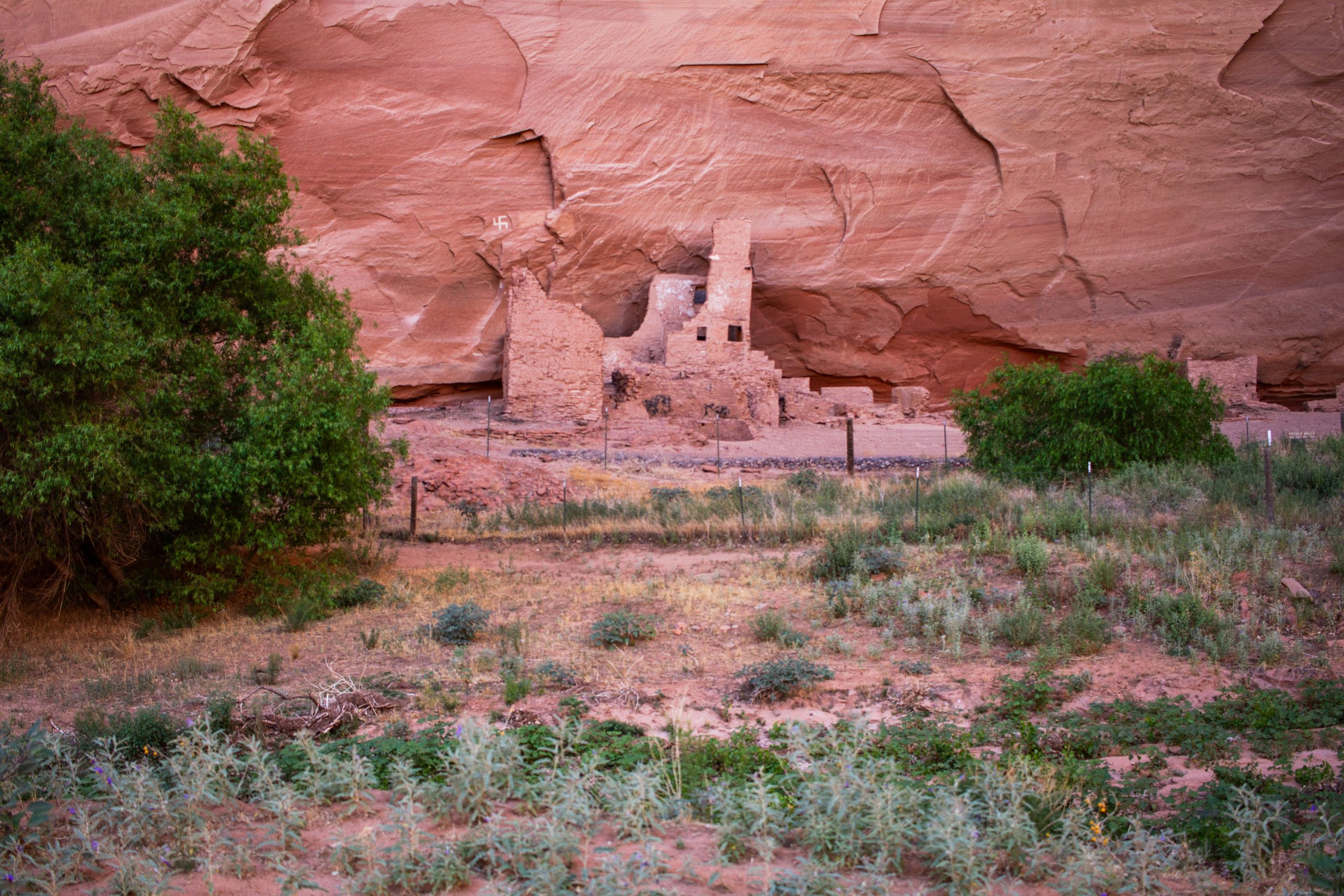
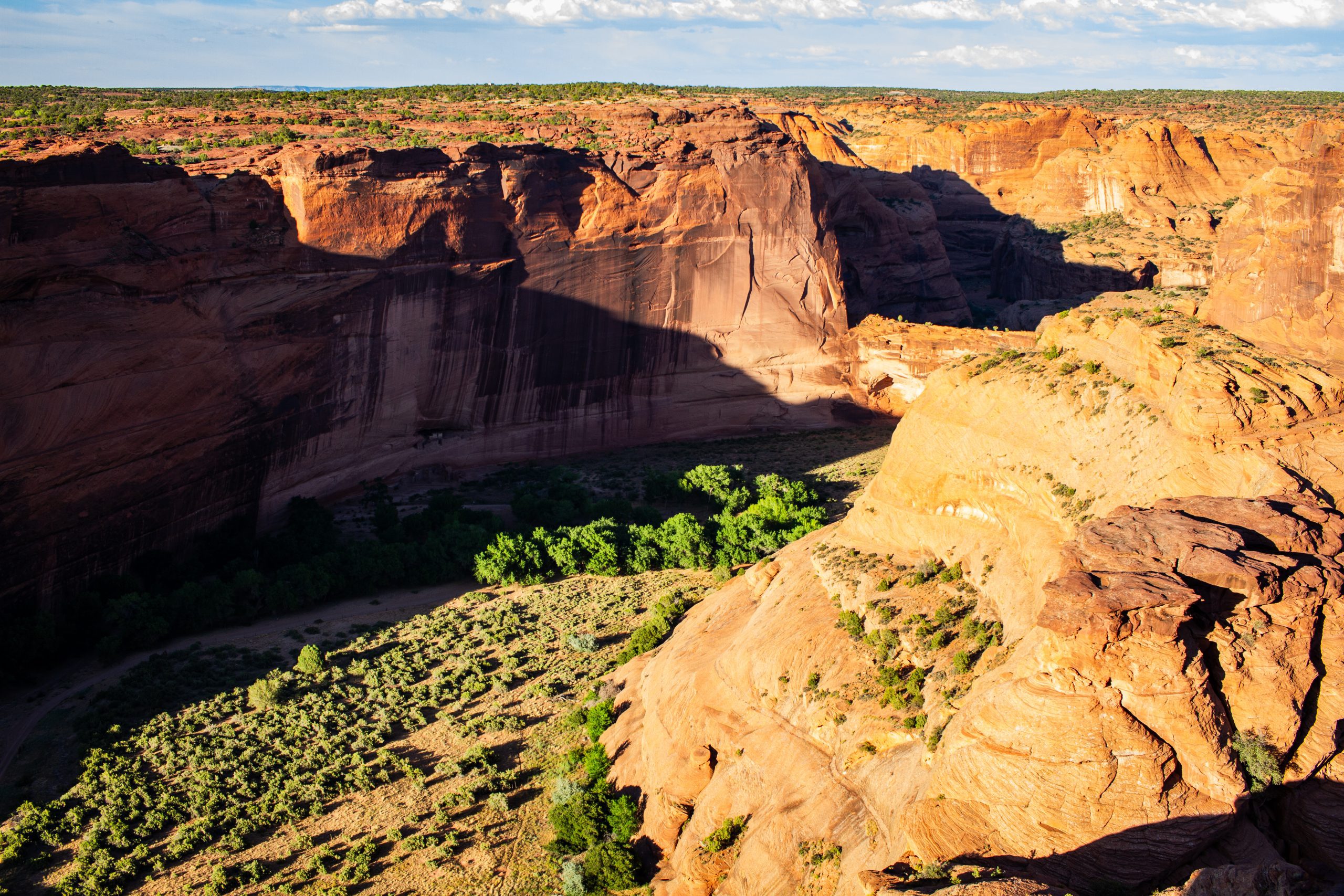

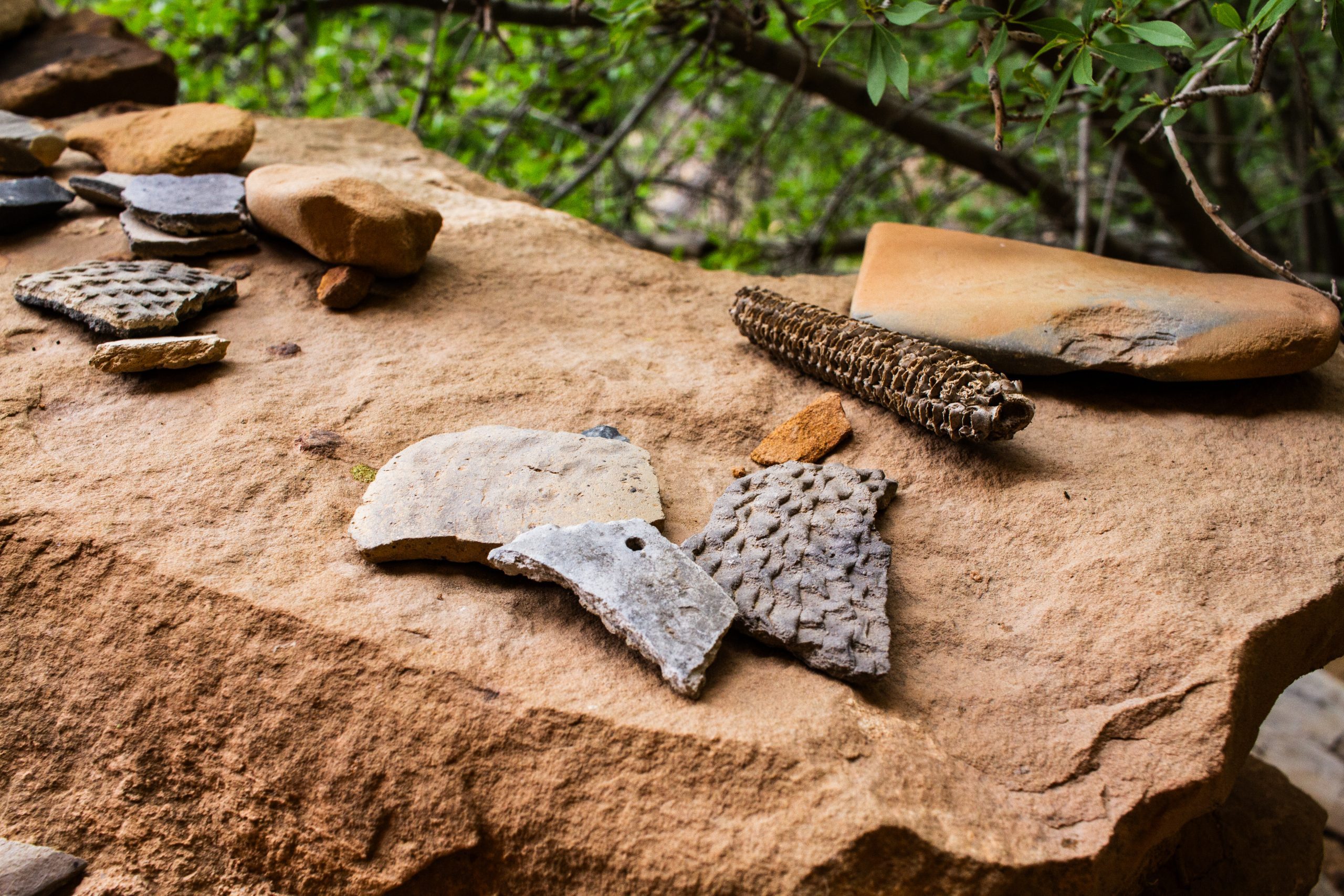
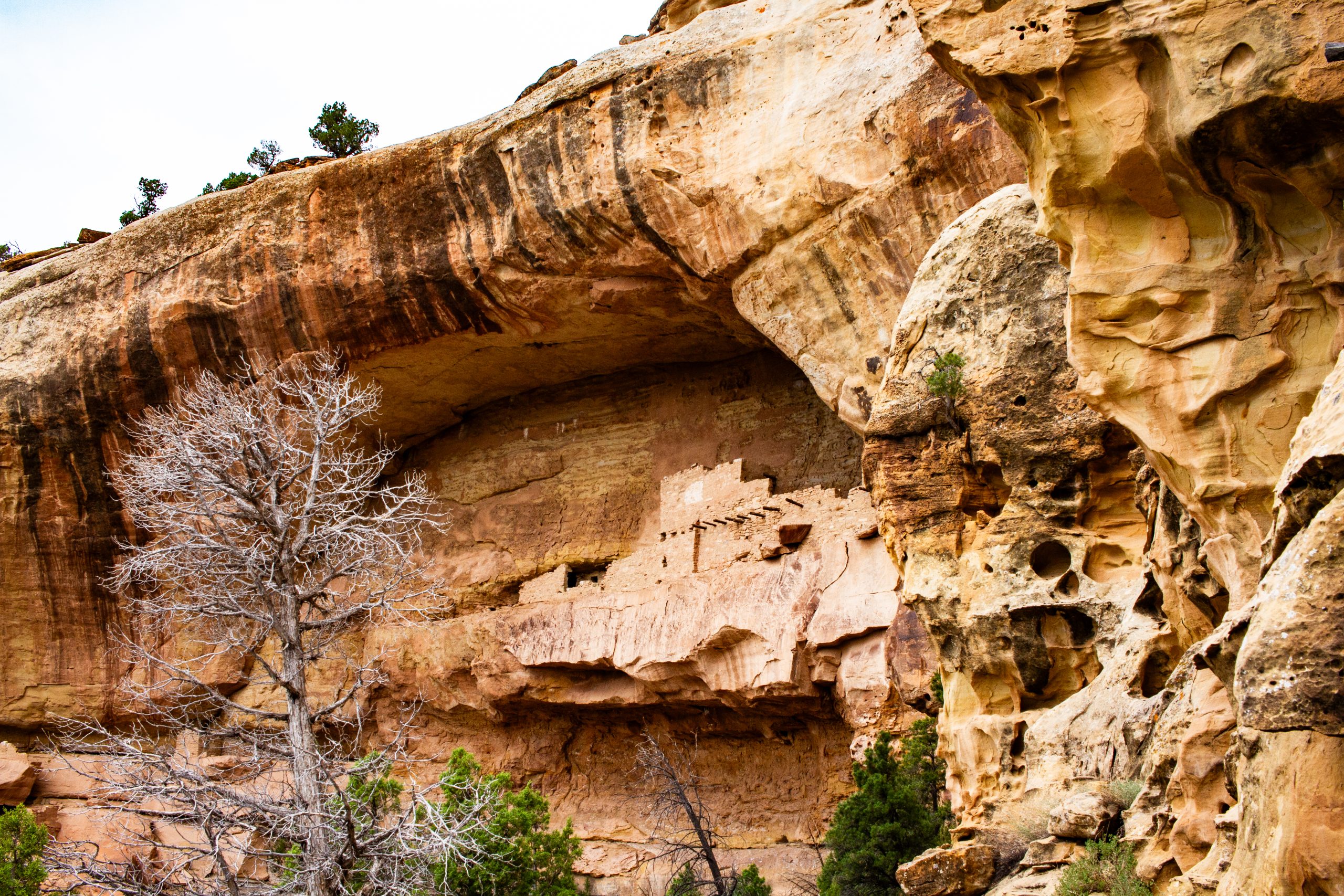
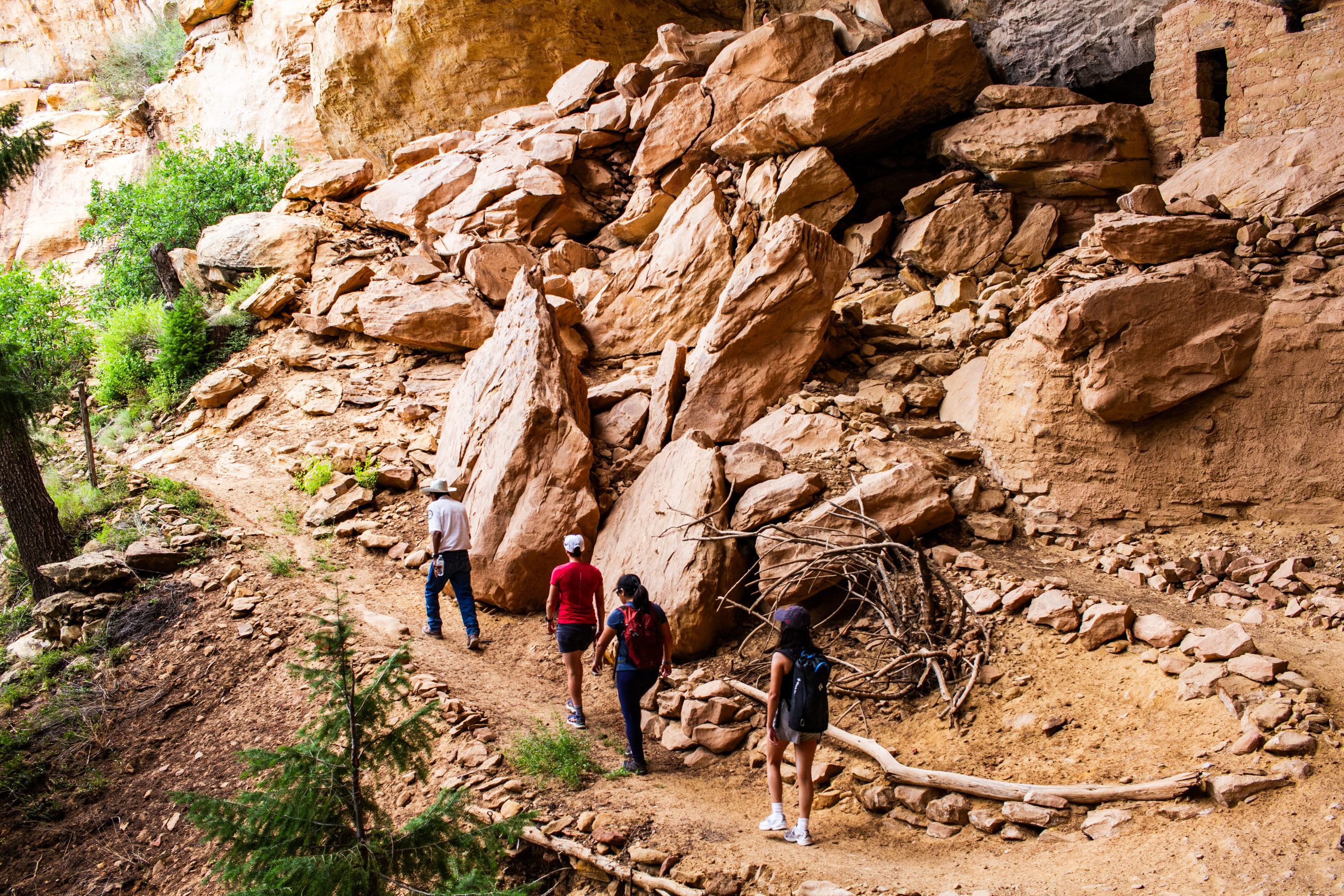
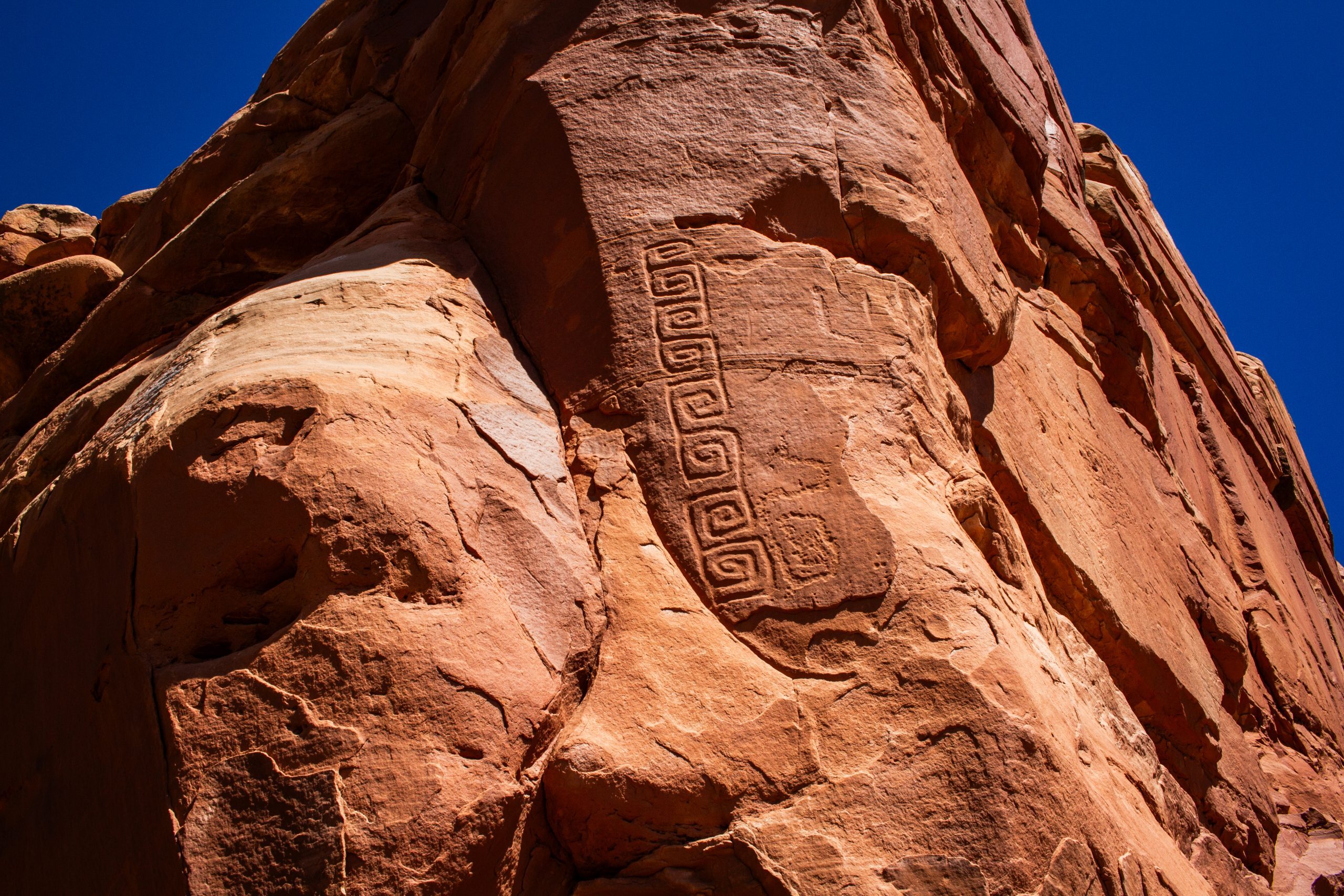
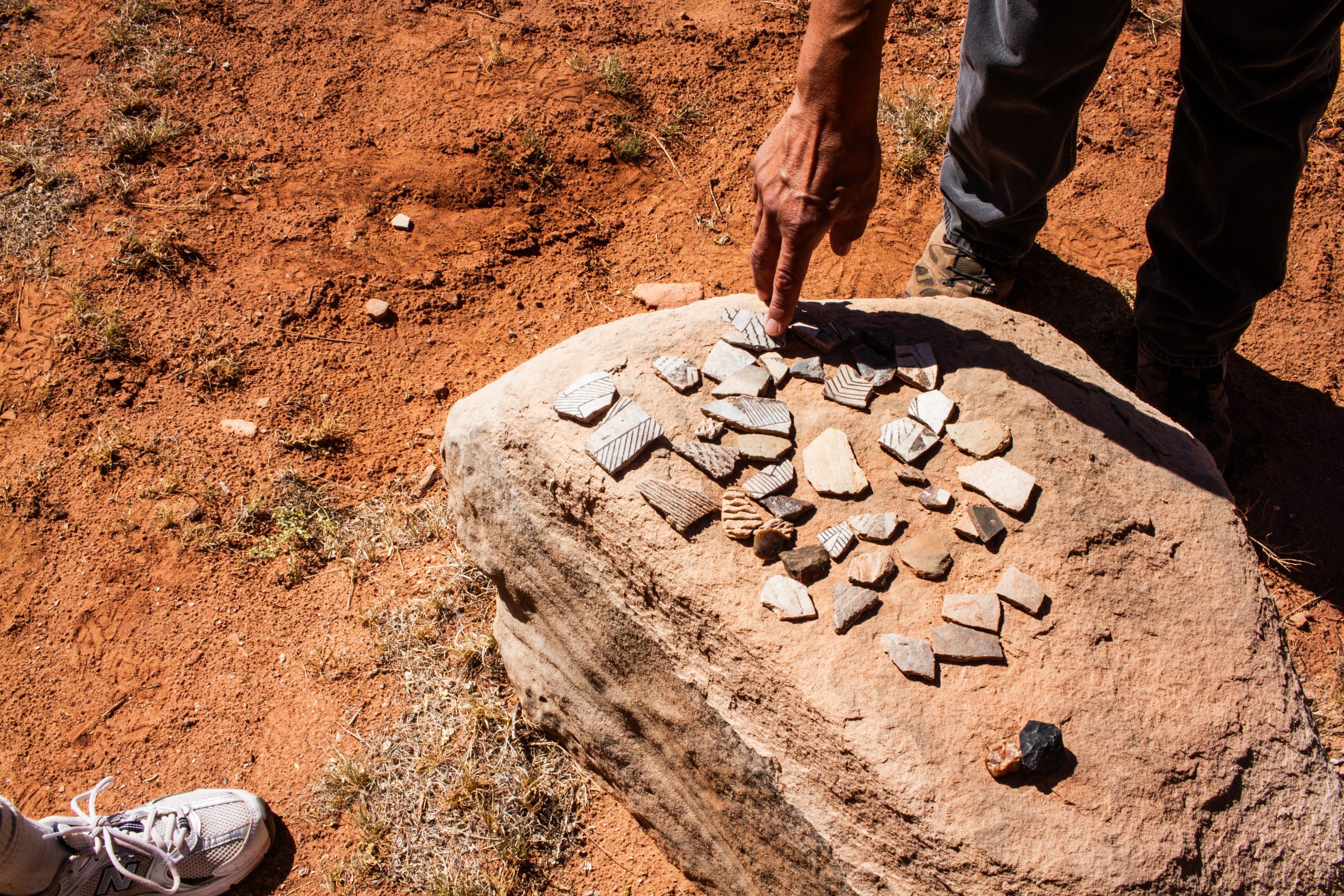
Images from a backcountry tour in Canyon de Chelly National Monument, lead by a member of the Diné.
Traveling Route 66 offers more than a journey through iconic landscapes and neon roadside stops. It is a path across the ancestral and living homelands of countless Indigenous nations, each with their own histories, traditions, and vibrant cultures. From Chicago to Los Angeles, travelers have the opportunity to engage authentically with these communities through tribally guided tours, artisan shops, museums, and cultural centers. By choosing experiences, accommodations, and goods offered directly by Indigenous peoples, you ensure that tourism dollars stay within these communities and support cultural preservation, education, and economic development.
Approach every stop with respect, curiosity, and humility. Ask permission where appropriate, follow tribal guidance on photography and access, and recognize that these lands remain home to sovereign nations. The most meaningful experiences on Route 66 come from listening, learning, and celebrating the resilience and creativity of Indigenous peoples while traveling through the landscapes they have cared for for generations.
Want to learn more about Indigenous heritage across the rest of America? Check out the other articles in our series:
Indigenous Heritage in the Rocky Mountain West