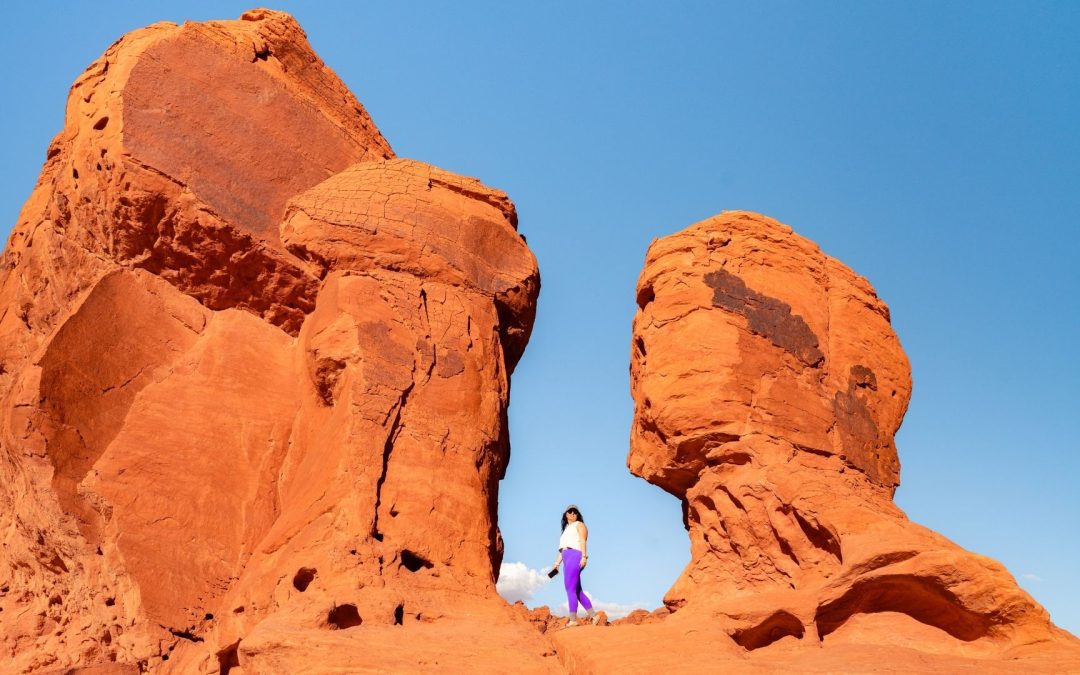
Las Vegas may be known for casinos. But the outdoor adventures surrounding the city reveal an entirely different side of the region that rivals some of the most well-known outdoor recreation hubs in the country.
Start your final morning with a one-hour drive to the iconic Devils Tower National Monument, the country’s first national monument. Here, you can hike the scenic 1.3-mile base trail, which winds around the tower’s massive rock formation, or simply soak in the breathtaking views from the visitor center. Devils Tower’s dramatic landscape and rich cultural significance make it a must-see destination for any traveler in the region.
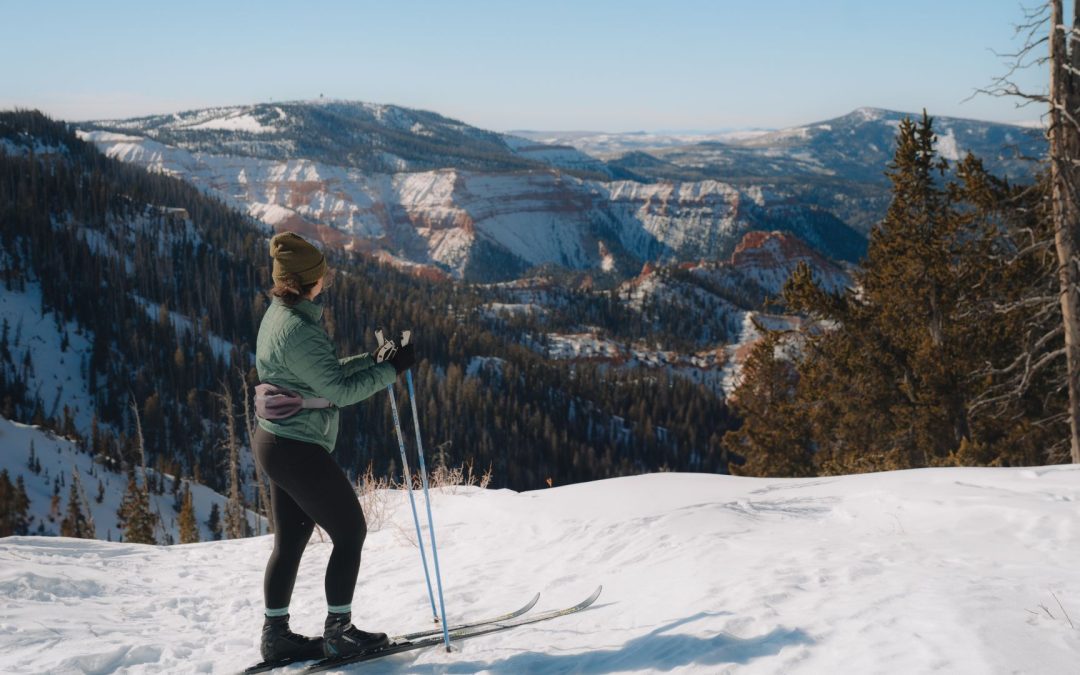
Winter in southern Utah often surprises travelers. While the region is best known for red rock deserts and iconic national parks, Cedar City, Utah, offers a winter experience that blends snow-covered mountains, accessible outdoor recreation, and uncrowded landscapes – all framed by those classic Utah red rock views.
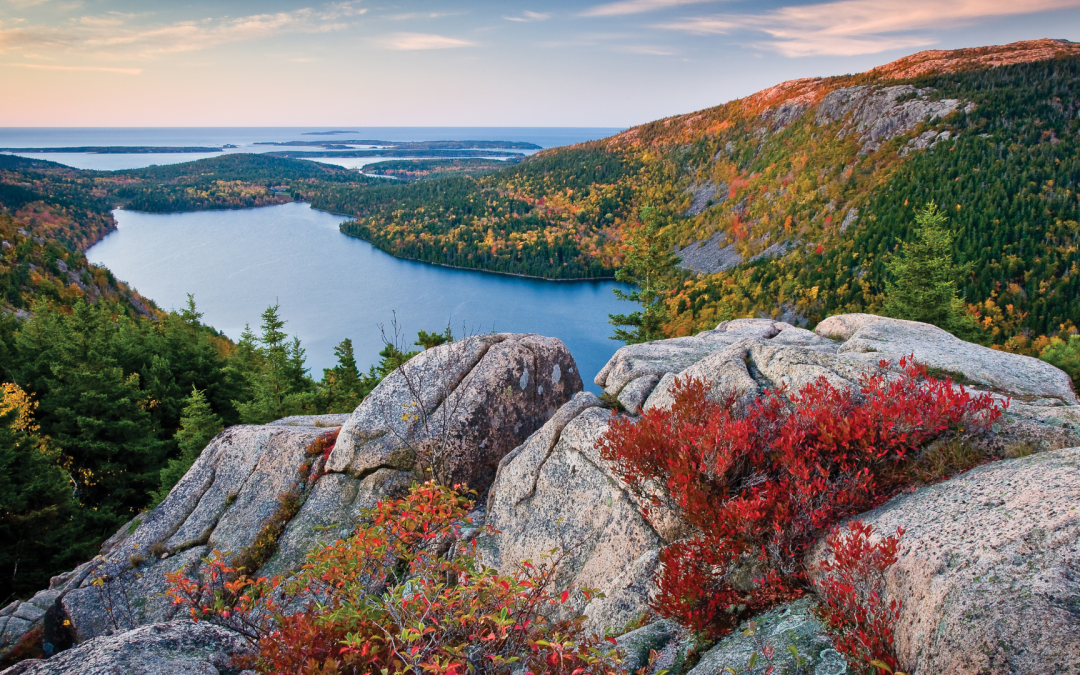
Follow Maine’s wild edge from coastal paddles and mountain hikes to northern waterways and small-town stops. This adventure-forward itinerary highlights the state’s best outdoor experiences without skipping the food, culture, and scenic drives that make the journey unforgettable.
Maine is a destination where days are shaped by salt air, forest trails, and open water and evenings are spent wandering small towns, sharing good food, and slowing down. From iconic national parks to quiet, stunning state parks and friendly lakeside communities, Maine offers a rhythm that blends adventure with comfort in a way few places can.
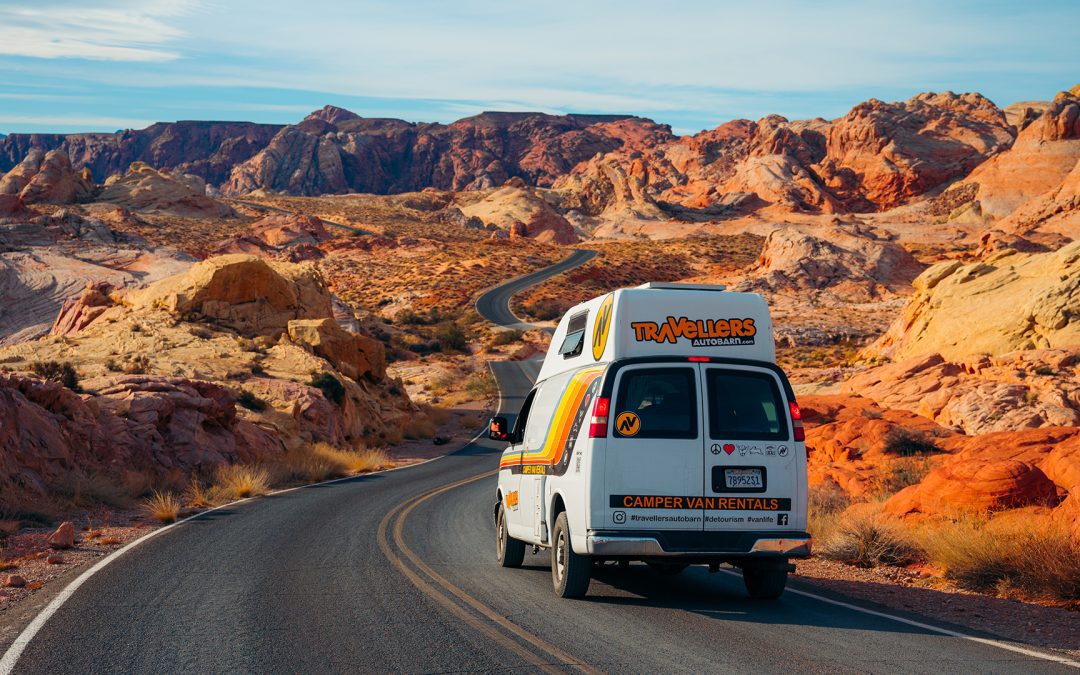
Campervans are the Swiss Army Knife of any road trip. They’re cleverly designed to maximize storage and utility, and you can take them just about anywhere. Read on to find out why campervans–particularly those from Travellers Autobarn–are our tool of choice to support any adventure.
Route 66 isn’t just asphalt and neon, it threads across the ancestral and living homelands of many Indigenous nations. From Potawatomi lands at the Chicago start, through Osage and Kickapoo land in the Midwest, across dozens of Tribal Nations in Oklahoma, to Pueblo communities in New Mexico and Navajo and Hualapai lands in Arizona, more than half of Route 66 runs through Indian Country. For travelers looking to go beyond the kitsch, the most authentic experiences are those led and offered by tribal people themselves. These experiences vary from guided canyon walks and pueblo tours to trading-post galleries, and tribally owned lodgings. Spending your money at these establishments directs tourism dollars to local economies and cultural programs. You can create a positive experience for both yourself and these communities by visiting with gratitude and respect – prepared to learn about the local cultures and histories.
Guided tours, museums, and sightseeing destinations will help acquaint you with the Indigenous and geological history of Utah’s Canyon Country. Along the way, delightful bites and insightful conversations are guaranteed.
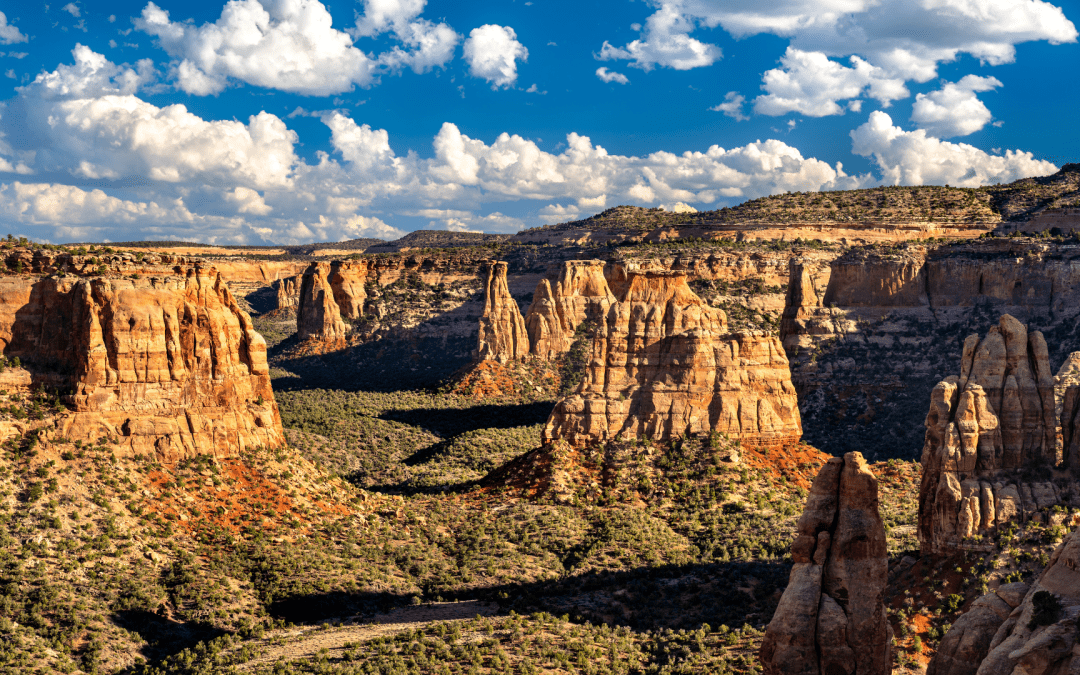
Utah’s Canyon Country features a dynamic landscape; sometimes, the cliff sides are as grooved as a rumble strip, while at others, they seem to flow as lazily as hot fudge on an ice cream sundae. Make sure to pack a pair of binoculars to zoom in on the many cliff dwellings and natural arches that you will see on your trip.
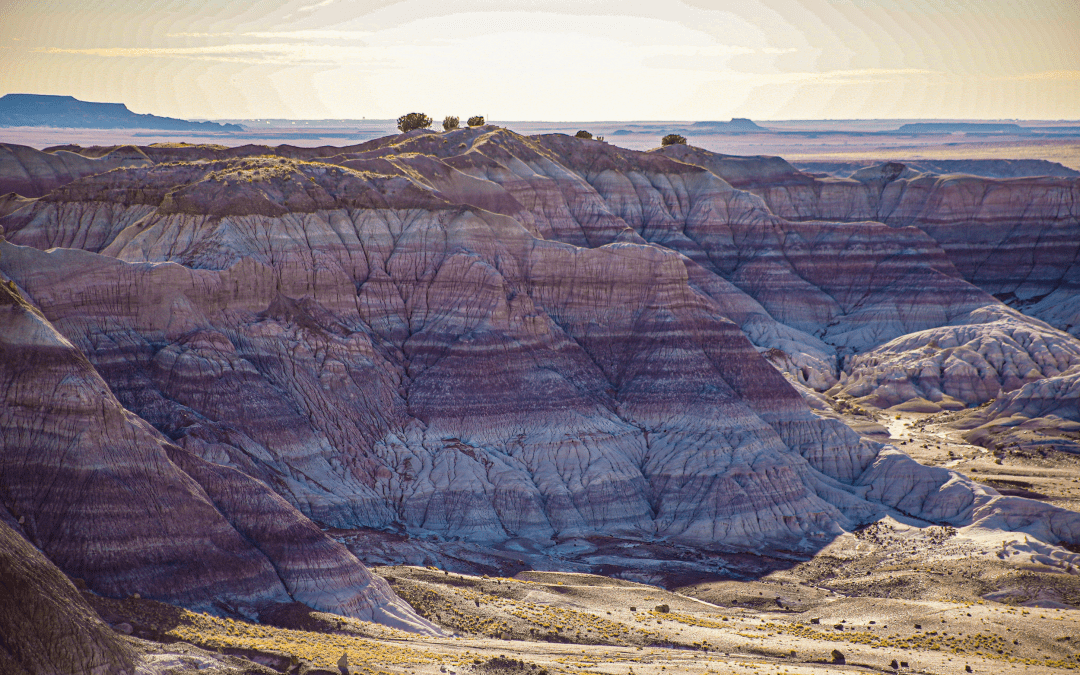
For those seeking adventure, Arizona’s stretch of Route 66 gives tourers a chance to embrace the open road and explore a region rich in culture and natural beauty. This is not just about visiting destinations—it’s about the journey itself, filled with memorable encounters and awe-inspiring landscapes.