From deserts, to mountains, to lakes and rivers, the ecological conditions in Arizona’s state parks vary immensely, giving them each a one-of-a-kind beauty and a different set of adventures. It’s no secret that the state can heat up to sweltering temperatures during the summer, so you’ll want to focus on visiting parks that feature bodies of water. Here are four parks where we recommend you beat the Arizona heat and the activities you should enjoy in them.
This story was created in partnership with Arizona State Parks & Trails.
Buckskin Mountain State Park

The Colorado River, which forms much of the border between California and Arizona, is a paradise for water lovers. One of the best places to experience the famous river is at Buckskin Mountain State Park, where you can indulge in activities like boating, hiking, camping, and playing volleyball or basketball.
If you’ve carried along your fishing rod, you’re in for a treat. This section of the Colorado River is known to support a variety of fish, including bass, catfish, sunfish, and bluegills. The fish bite frequently enough that kids and adults alike will stay engaged. If you are in the mood for a dip in the water, however, make your way to the designated swimming area near the park’s day use area to combat the Arizona heat. Exercise common sense and don’t splash around near boaters or fishers.
Buckskin Mountain State Park is not all about the river, though. Several trails—some easy, some difficult—take hikers to stunning vistas over the river and past evidence of former mines. Short, sweet, and steep, the Lightning Bolt Trail is a good pick if you want to see wildflowers in the spring, and it can be extended by a trek on the one-mile Buckskin Loop Trail. Meanwhile, the Lamb Springs Trail has a more isolated ambiance that shows off both mountain and desert terrain.
RV and tent sites abound at this state park. We recommend snagging a riverfront site if you are pitching a tent; they are allotted on a first-come, first-served basis, starting at noon on the day of your stay. Stop by the visitor center to have all your park questions answered, pick up a book, and stock up on essentials like snacks and souvenirs.
Alamo Lake State Park
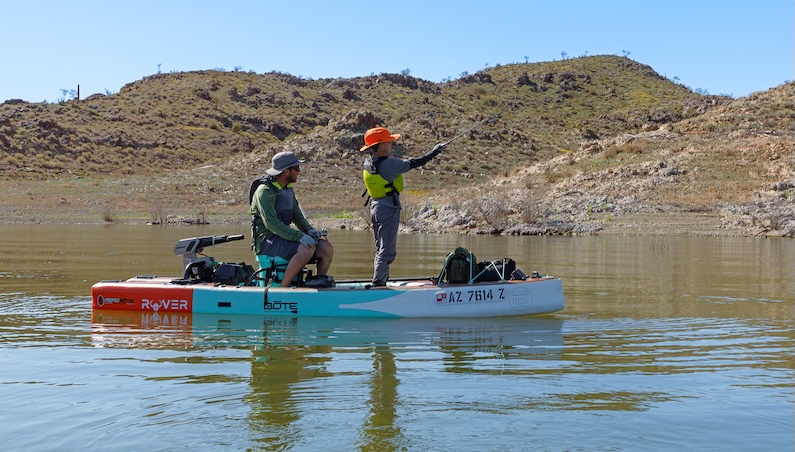
Slightly more than two hours from Phoenix, Alamo Lake State Park is tucked under the Arrastra Mountain Wilderness on the western side of Arizona. Its desert aesthetic will immediately capture your heart, while the park’s namesake lake will beckon you on Arizona’s hot summer days. The landscape here is dynamic, and you may especially enjoy visiting during the spring, when the park brims with vibrant yellow wildflowers and the lake’s largemouth bass become more active.
There are a few trails for hiking and biking in the park, especially suitable for those comfortable setting out into the backcountry. While on trail, you might see land animals like coyotes, lizards, and wild burros (donkeys), and if you pause to birdwatch, you’re likely to catch sight of eagles, herons, and/or pelicans.
However, this park usually holds more appeal for those wanting to spend time on the water. If you have a valid fishing license, you can cast a line and wait for one of the lake’s plentiful largemouth bass or crappies to bite. You’ll have particular luck if you fish here during the spawn season (February until July), during which time you can also expect several bass fishing tournaments. For the most part, catch and release is encouraged to help sustain the lake’s bass population.
Swimming is allowed, but exercise caution since there are no lifeguards. Avoid swimming by the dam or in areas where boats are active, and make sure to wear water shoes, as the shale underfoot can be sharp (there are no soft sand beaches).
If this simply sounds like too many great adventures to pack into one day, consider staying the night. Tent and RV sites are available in the park, as well as four comfortable cabins.
Roper Lake State Park

With the backdrop of Pinaleño Mountains, Roper Lake State Park is a picturesque and relaxing spot to swim, fish, paddle, hike, and camp. If you are donning your swimsuit, make sure to only splash around in the designated swimming area, which is off-limits to boating and fishing. In between dips, relax on the sandy beach with a book or have lunch underneath the shade of the ramada or at one of the nearby picnic tables.
Roper Lake is a phenomenal destination for fishing; you might reel in an assortment of trout, catfish, panfish, bluegill, and largemouth bass, and while waiting for fish to bite, you might spot birds like herons, egrets, and blackbirds. Bait and fishing gear are available at the park store. Note that during the spring spawn season, the park asks that fishers follow the catch and release method when reeling in largemouth bass. Additionally, you should only use approved watercrafts without gas motors. For even more fishing, head to Dankworth Pond, just over 3 miles (5 kilometers) away.
You’ll need a place to rest your weary body after a day full of activity, and Roper Lake State Park offers three campgrounds. Not only can you pitch a tent, but there are also ample accommodations for RVs. Eight cabins, each of which have electricity and heating/cooling units, are available to rent as well.
Lyman Lake State Park

Today, Lyman Lake State Park is a prime destination for hikers, boaters, swimmers, and fishers. However, if the land on which the park rests could speak, it would tell 8,000 years of tales about human society. After all, the land speaks in its own unique language, often revealing to visitors Puebloan pottery, petroglyphs, and ancient dwellings. You won’t want to miss hiking the popular Peninsula Petroglyph Trail, which features over 200 petroglyphs, or seeing the 14th century Rattlesnake Point Pueblo. The Ultimate Petroglyph Trail, accessible by boat, also offers great insight into the past. Before setting out to visit any of these sights, read the online trail guide that thoroughly unpacks the significance of Indigenous history in this park.
Of course, while hiking, you’ll frequently be treated to beautiful vistas of Lyman Lake, the park’s namesake that is also a 1,500-acre man-made reservoir. Because there are no restrictions on watercraft motor size here, Lyman Lake is one of the best water bodies in Arizona for boaters, water skiers, and wakeboarders who enjoy feeling the wind in their hair. However, it’s also an ideal destination for a leisurely afternoon spent fishing or swimming to escape the Arizona heat. No matter how you prefer to pass your time, keep your eyes open for wildlife as you explore the park. Depending on the season, you may see animals such as eagles, mule deer, osprey, lizards, egrets, and Rocky mountain elk.