The Loneliest Road in America Road Trip
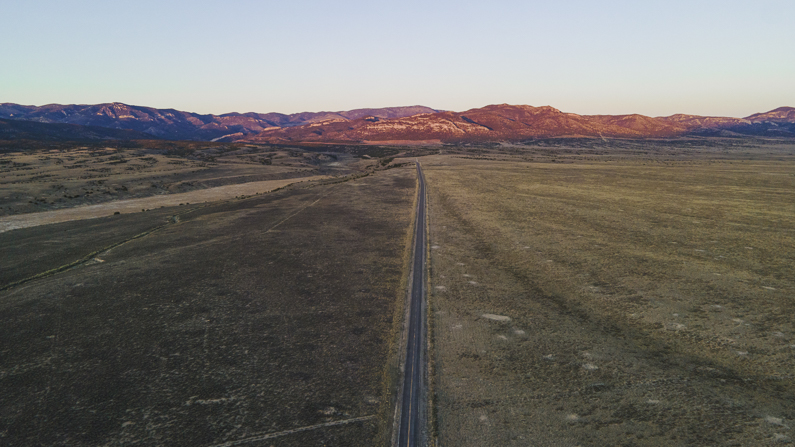
Stretching across Nevada from east to west, Highway 50 cuts through some of the Mountain State’s most underrated destinations. The path roughly follows the Pony Express Route, which was used to ferry mail across the U.S. by horseback in the late 1800s, then later became part of the Lincoln Highway, the country’s first transcontinental highway. It earned the title as “The Loneliest Road in America” from a 1986 LIFE magazine article, whose author warned travelers to sharpen their survival skills should they be so unfortunate as to have to drive the route. Having driven across it twice myself, I can assure you, that is not the case. If you’re prepared to head into the great wide open, you’ll find it chock-full of hidden gems, ghost towns, outdoor adventures, and believe it or not, friendly folks willing to share travel tips. You may just find that it’s not so lonely after all.
This itinerary was created in partnership with Pony Express Territory.
Before You Hit the Road
While the anecdote about survival skills is overblown, a little planning goes a long way. First of all, this is rural Nevada; don’t count on all services being open seven days a week. Mondays and Tuesdays are especially quiet, as it’s not uncommon for locals to have ranching or farming duties to tend to outside of their customer-facing businesses. If there’s an establishment you’re looking forward to visiting or a tour on your list, check their hours ahead of time, or better yet, make a reservation. Even if your visit happens to fall outside of normal business hours, some hosts are more than happy to make arrangements if you give them a friendly call in advance.
Some of the locations on this itinerary are only accessible by unpaved roads. While no extreme 4×4 skills are necessary, wet or snowy conditions can render these spots inaccessible. Be honest with yourself about your off-road driving skills and your vehicle’s capability, and if the going gets too rough, don’t be afraid to turn around. Lastly, top off your gas tank whenever you have the chance and bring plenty of snacks, water, sunscreen, and warm clothing.
Logistics
In larger towns, such as Fallon and Ely, you’ll find plenty of reasonable, comfortable accommodations. In more rural areas your options are more limited, so be sure to make advance reservations.
This itinerary covers the route one-way from west to east, though it could just as easily be done in reverse, or as part of a larger road trip. Reno-Tahoe International Airport is the largest airport on the western end, about a 45-minute drive from Dayton. Ely, the largest hub on the eastern end of the route, is about a 3.5-4 hour drive from either Las Vegas or Salt Lake City, Utah.
Day 1: Dayton to Fallon
Dayton is a fitting start to this trip–it’s where gold was first discovered in Nevada in 1849. For a primer on local history, head to the Historical Society of Dayton Valley on the edge of the historic downtown. Here you can learn about the region’s mining history, as well as all about the route you’re about to embark on.

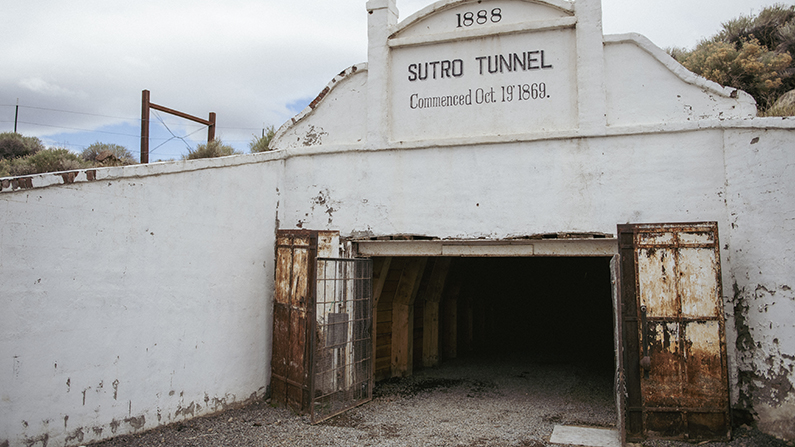
On the edge of town lies one of the area’s most unique historical sites, the Sutro Tunnel. During the heyday of Nevada’s silver rush in the late 1800s, this tunnel stretched nearly four miles underneath the mountains, connecting to the rich silver mines beneath Virginia City. The restoration of the tunnel and the site at its entrance is ongoing, but tours can be arranged in advance.
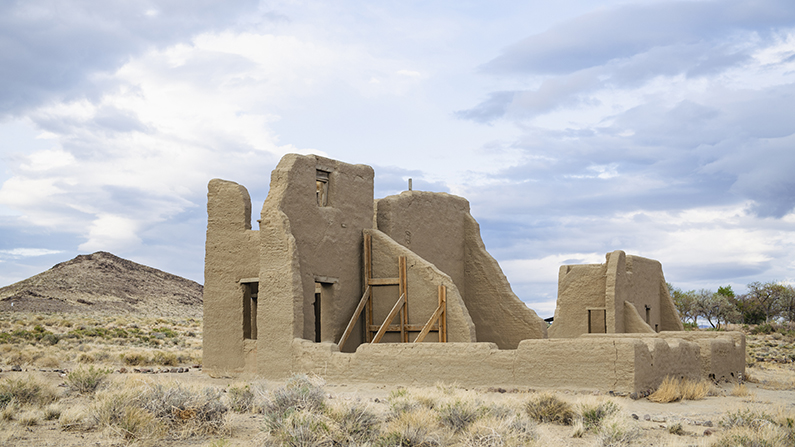
From Dayton, continue 30 miles east to Fort Churchill State Historic Park, where adobe ruins of the old military outpost still stand watch over the Carson River. This sprawling park is a great place to stretch your legs, and the river is a destination for birdwatchers as well.
Detour north to Fernley, a quirky town with Burning Man-influenced public art installations and access to Pyramid Lake. Anglers and paddlers could spend an extra day exploring this desert lake, but if your schedule doesn’t allow for it, you can’t go wrong watching a sunset from shore.

You could stay overnight in Fernley, but I’d recommend carrying on another 30 miles to Fallon, your base camp for the next day or two. If you’re up for some late night exploring, poke around Cranberry Cottage on Maine Street–you might just find out why outgoing locals are drawn to a particular bookcase in the back of this unassuming gift shop.

Day 2: Fallon
Start bright and early with a trip to Stillwater National Wildlife Refuge. Hike (or paddle) your way around this 79,000 acre refuge, a critical stopover point for over 200 species of migratory birds. If you’re lucky, you may spot flocks of American white pelicans, North America’s second largest bird species. For a hearty breakfast back in town, grab a bite from the friendly folks at The Courtyard Cafe & Bakery.

Afterwards, head to the Churchill County Museum. Here you’ll find a comprehensive collection of artifacts from around the region, and is also the meeting point for tours of Hidden Cave, an important archaeological site containing prehistoric artifacts. Contact the museum for a schedule (the cave can only be accessed by guided tour), or if one isn’t available during your visit, take a self-guided tour of the nearby Grimes Point Archeological Site.
If your visit happens to be on a Saturday, drop by Frey Ranch Farmers + Distillers for an afternoon tour and a tasting of their award-winning bourbons and whiskeys. Operated by fifth-generation farmers, Frey Ranch is one of the few true estate distilleries on the planet—that means everything in your glass was grown, mashed, and distilled on site. Wind down at one of the restaurants on Maine Street, or grab a local brew and pub fare at The Grid.

Day 3: Fallon to Austin
This next stretch is where you’ll begin to understand why this is known as “The Loneliest Road in America.” Get an early start and be sure to top off your gas tank before leaving Fallon.
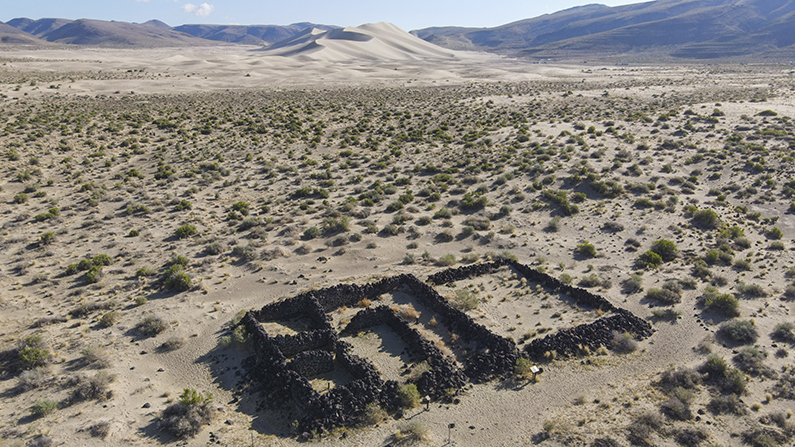
Your first stop is Sand Mountain, a vast dune complex popular with dune buggy and dirt bike enthusiasts. Even if you’re not planning a high-octane, off-road adventure, the 600-foot-tall sand dunes are worth a visit, as well as the nearby Sand Springs Station. This is one of Nevada’s best preserved Pony Express relay outposts and an eerie reminder of the hardscrabble life early travelers endured here.
From Middlegate Station, make a detour south to Berlin-Ichthyosaur State Park, where a ghost town and a collection of giant, fossilized marine reptiles share the same mountainside. Wander through the remains of the old Berlin mining camp, and step into the fossil shelter to see a real-deal ichthyosaur fossil dig. When you’re done taking in one of Nevada’s most remote state parks, head back to Highway 50 the way you came. If you’ve played your cards right, you’ll arrive back in Middlegate Station in time for lunch. Challenge yourself to a famous Middlegate Monster Burger at your own risk, but a humble bacon-cheeseburger definitely hits the spot.

Continue east to Austin, once Nevada’s second-largest city. You can explore its historic buildings, grab a turquoise souvenir from Jason’s Art Gallery, or pay a visit to the Austin Historical Society. For sunset, a five-minute drive will take you to Stokes Castle, a stone tower built by a wealthy mining baron with sweeping views of the valley below.

Services are limited in Austin, especially on Mondays and Tuesdays, so plan accordingly. I’d highly recommend booking a hotel in advance. If you’re looking for company, you might consider taking a 30-minute drive to the small community of Kingston and pull a seat at the bar at the Lucky Spur Saloon.
Day 4: Austin to Ely
From Austin, continue east on Highway 50. About 25 miles outside of Austin, make a brief stop at the Hickison Petroglyph Recreation Area, where a short trail leads you to ancient rock carvings and sweeping views of the Big Smoky Valley. Continue along the highway to Eureka, one of the best-preserved mining towns in the state. Grab a breakfast sandwich from the Eureka Depot, then dive into the town’s rich history. Underneath the town lies a network of tunnels, which stretched up to two miles at their peak. Many of them have collapsed, though some remain, and can be accessed by booking a guided tour.
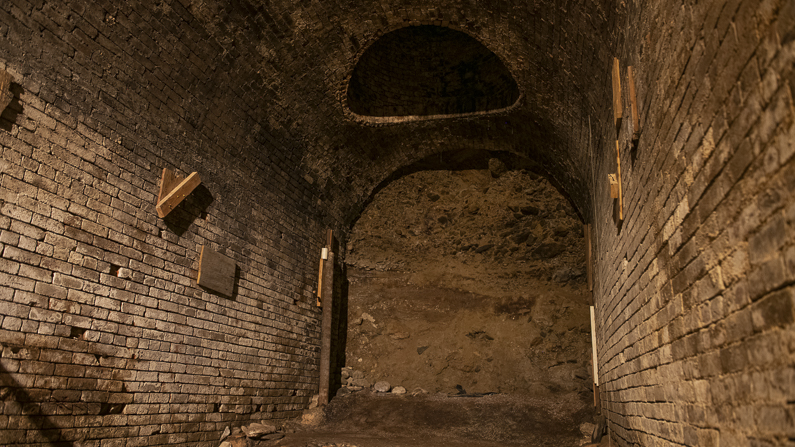
After the underground tour, continue on to Ely, taking a detour to visit the ghost town of Belmont Mill. The 10-mile dirt road to the site is well-graded, though some spots may pose a challenge to low-clearance vehicles, so travel at your own discretion.

When you arrive in Ely, you’ve nearly made it across the entire state. Celebrate your survival with a meal at JT’s Steakhouse, where seasonal fare is served alongside locally raised beef.
Day 5: Ely
After days on the road, Ely offers a welcome change of pace. This high desert town is home to the Nevada Northern Railway Museum, a National Historic Landmark where visitors can tour the rail yards and even operate a historic steam locomotive. For those craving time outdoors, Ely offers easy access to hiking, mountain biking, paddling, fishing, and golfing—of both the club and disc variety.

Just south of town, Ward Charcoal Ovens State Historic Park preserves some of the state’s most intact charcoal ovens. These massive, beehive-shaped stone kilns played an integral part in the region’s mining history, producing the charcoal needed to fuel smelters.

From the charcoal ovens, make the short, half-hour drive over to Cave Lake State Park. After disappearing for a few years in order to repair the aging dam, the reservoir is back, much to the locals’ appreciation. Visitors can once again enjoy this beloved body of water, a destination for paddling, fishing, and swimming.

Day 6: Baker
For the last day on this route, depart Ely for the final leg of your journey. Upon arriving in the small town of Baker (about an hour’s drive from Ely), you’ve officially survived The Loneliest Road in America. However, you’re not done yet. End your trip on a high note–literally–by taking a cruise up the Wheeler Peak Scenic Drive in Great Basin National Park. Topping out at over 10,000 feet, the drive offers stunning views of Nevada’s tallest peak and a glimpse of rare, ancient Great Basin bristlecone pines. Spend the day hiking in the high alpine, or just relax and take in the scenery. The park also offers tours of the Lehman Caves, which need to be booked in advance.

Services are limited in the town of Baker, but the Bristlecone General Store and Stargazer Inn has just about everything you need, whether it’s a fresh cup of coffee or a cozy place to stare up at the Milky Way.
After spending six days road tripping down the loneliest road in America, you’ll find this historic route in Nevada is the perfect blend is peaceful solitude and socialization with locals.