This story was created in partnership with Montana’s Yellowstone Country, Explore Livingston, and Visit Bozeman.
Exploring Yellowstone in winter brings a sense of tranquility that is hard to find during the park’s busy summer months. With fewer visitors during this time of year, you feel like you have this vast natural wonder all to yourself. Imagine wandering through snow-covered meadows, watching steam rise from a distant geyser while the only sounds you hear are the crunch of snow beneath your boots and the occasional howl of a distant wolf.
 Photo: Alex Hanich
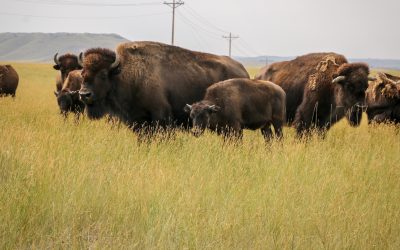
Navigating Yellowstone in winter offers different experiences depending on which entrance you use. The West Entrance, open only to snowcoach or snowmobile tours (there’s no private vehicle access during winter), provides access to frozen waterfalls, iconic landmarks like Old Faithful, and herds of bison trudging through deep snow in search of food. A snowcoach, with its heated interior and massive snow-tread tires, delivers a comfortable and scenic excursion, while snowmobiles cater to those seeking a more thrilling, adrenaline-fueled adventure. These tours also come with expert guides who share fascinating insights into Yellowstone’s wildlife, geothermal features and rich history.
 Photo: NPS Jacob W. Frank
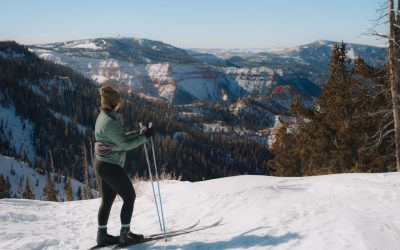
If you prefer to drive into the park and explore at your own pace, the North Entrance at Gardiner remains open to vehicles in winter, allowing access to areas like Mammoth Hot Springs and the Lamar Valley. Locals and visitors alike love this entrance for cross-country skiing, particularly around Mammoth Terrace and Tower Junction. With miles of groomed trails winding through snow-covered forests and along frozen rivers, cross-country skiing and snowshoeing are excellent ways to explore Yellowstone’s quieter side. The Lamar Valley, known as America’s Serengeti, is a prime location for spotting wildlife like wolves, bison and elk while taking in breathtaking views.
 Photo: Brian Powers
Yellowstone’s geothermal activity is a highlight during winter. The contrast of the boiling hot springs against the cold, snow-covered landscape creates an otherworldly atmosphere. In places like Norris Geyser Basin and West Thumb, the bubbling mud pots and hissing fumaroles seem even more dramatic, shrouded in clouds of steam that rise eerily through the crisp winter air. There’s something magical about watching Old Faithful erupt against a backdrop of snow — its powerful burst of boiling water shooting into the sky, surrounded by the stillness of winter.
After a day of adventuring in the cold, there’s no better way to relax and rejuvenate than soaking in one of the region’s hot spring pools just outside the park. (Soaking is prohibited within Yellowstone National Park.) Yellowstone Hot Springs in Gardiner offers a serene setting for a post-adventure soak. The naturally heated pools are surrounded by stunning mountain views. Further north, Chico Hot Springs is another favorite destination. This historic resort features soothing hot springs, charming accommodations and fine dining, making it the perfect place to unwind and indulge.
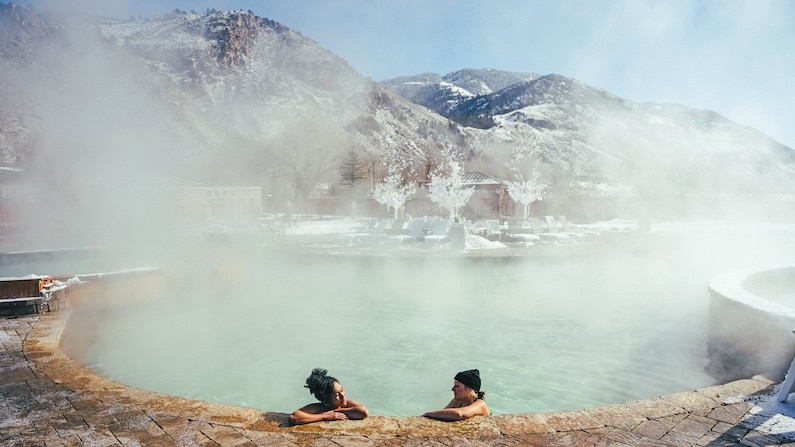 Photo: Sam Rouda
Additional lodging options abound both inside and outside the park. Within the park, the Mammoth Hot Springs Hotel is a comfortable home base, with its proximity to some of Yellowstone’s top winter attractions. Staying inside the park allows easy access to the trails and scenic sites, making it ideal for those who want to maximize their time in Yellowstone. Outside the park, Gardiner, West Yellowstone and Cooke City provide various lodging options, from rustic cabins to boutique hotels. These communities also extend an enticing blend of local shops, restaurants and galleries, perfect for unwinding after a day of exploration.
In West Yellowstone, the small-town atmosphere and access to the park’s winter wonders create an inviting retreat. In Gardiner, where you’ll find the iconic Roosevelt Arch, you can enjoy some Montana flavor at a local restaurant. Meanwhile, Cooke City, nestled at the Northeast Entrance, offers adventure and seclusion in a peaceful mountain setting.
Shopping and dining in these small towns is a delightful break from your outdoor activities. Browse local galleries and boutiques for handcrafted souvenirs or cozy up in a warm restaurant with a bowl of steaming soup or a Montana-raised bison burger. Whether it’s a laid-back café or a lively pub, these small-town establishments bring local flavor to your winter trip.
 Photos: Sam Rouda & Jim R. Harris Montana Aerial Photography
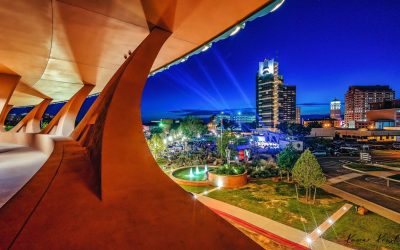
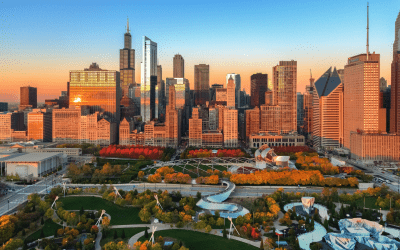
Further outside the park, the vibrant communities of Bozeman and Livingston also make excellent basecamps for your Yellowstone adventure. Bozeman brings a lively mix of outdoor recreation, cultural experiences and upscale accommodations, while Livingston charms visitors with its historic downtown, unique shops and art galleries, and proximity to Paradise Valley.
For wildlife enthusiasts and photographers, winter is one of the best times to visit Yellowstone. The park’s wildlife is more visible against the snowy landscape, and the contrast between the animals and their white surroundings creates stunning photo opportunities. The elusive gray wolves are particularly active in the winter months, and guided wildlife tours give the chance to spot these majestic creatures. Bison, often covered in a layer of frost, move slowly across the landscape while bald eagles soar overhead. Watching a herd of elk navigate the deep snow or seeing a wolf pack on the hunt is a reminder of Yellowstone’s untamed beauty.
As you glide across the park’s trails on skis, ride through the snow on a snowcoach, or soak in a hot spring under a star-studded sky just outside the park, winter in Yellowstone becomes an experience that stays with you long after you’ve left. The stillness of the season, the awe-inspiring landscapes, and the abundance of wildlife create a sense of wonder that makes Yellowstone’s quiet season genuinely unforgettable.
 Photo: Sam Rouda