I’m willing to bet that when you think about Nevada, images of slot machines, poolside cocktails, and triple digit desert heat come to mind. And I don’t blame you—up until recently, these are the attractions I associated with the state, too.
I’ll let you in on a little secret though: Nevada is much more than the flashy lights of the Vegas strip.
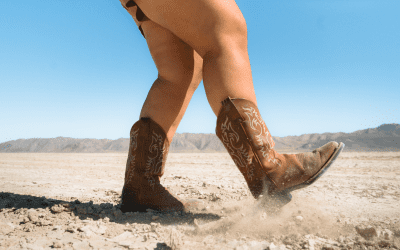
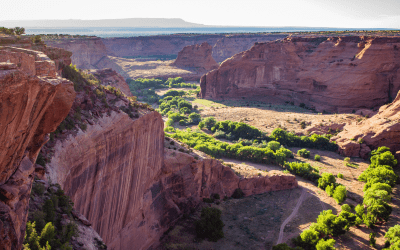
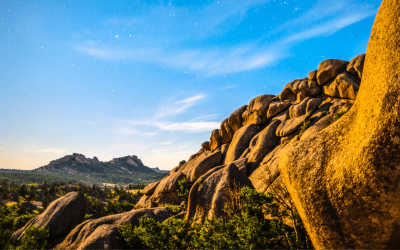
Northern Nevada—better known as Cowboy Country—is home to some of the most unique landscapes in the United States. Pristine natural hot springs are nestled alongside thousand acre stretches of desert playa and salt flats. Rolling hills dotted with horses quickly turn into 10,000-foot alpine lakes, and some of the friendliest small towns in the West are sprinkled along one of the most well traveled highways in the country.
Let me show you the side of Nevada that nobody talks about:
 Photo by Colleen Goldhorn
Where is Cowboy Country?
Cowboy Country, Nevada, covers the northern part of the state, which is a vast area from the I-80 corridor up until reaching the northern state border. Nestled between Reno and Salt Lake City, the area was once traveled by pioneers searching for a better life out west. The “California Trail” took travelers through the dangerous deserts and rugged mountains of Nevada in the 1800s, and today this area is known for hosting the Burning Man festival each year.
Burning Man & The Arts
The remote landscape has attracted artists of all types to the region, and nowhere is this more evident than in Gerlach, Nevada. Outside of town—on the expansive Black Rock Playa—the famous Burning Man Arts Festival takes place each year. Year-round, this small town has permanent installations (such as Guru Road) for visitors to see, and plenty of open space for travelers to roam.
Throughout the rest of Cowboy Country, don’t expect to be bored. Many of the small towns have murals and quirky shops filled with work by local artists. Leave room in your suitcase, as there are bound to be more than a few pieces of art that catch your eye.
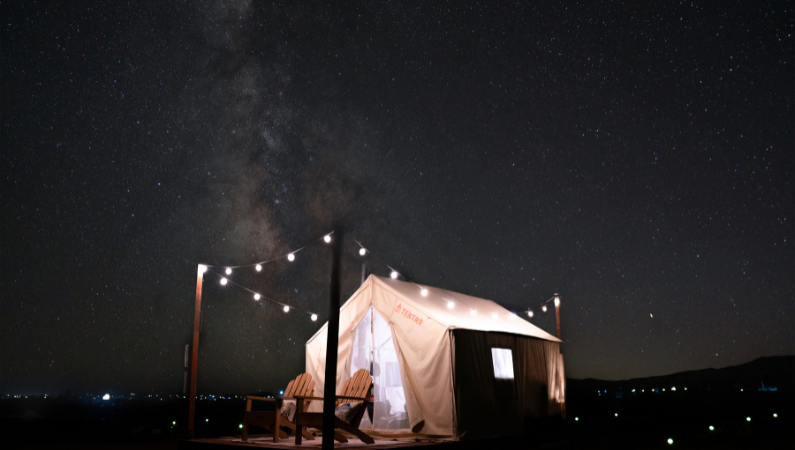 Photo by Colleen Goldhorn
History & Culture
Spanning the entire northern section of the state, the culture throughout the region is different from town-to-town. A common thread between each area, though, is some of the friendliest people you’ll ever meet who love welcoming travelers into their towns.
On the western side of Cowboy Country (closer to Gerlach), many towns are quirky and into the arts, but just a few hours to the east you’ll find Lovelock, which is home to the prehistoric Lovelock Cave and ancient stories from Native American tribes that first settled the land. One of which is the famous tale of “giant redheaded” Native Americans who were feared for their cannibalistic culture. The legend comes after large, prehistoric bones of a human over 6 feet tall were found in Lovelock Cave, while most Native Americans of the time were closer to 4 feet in height.
Traveling east into Winnemucca, you will enter what’s known as “the friendliest town in the US”, and the name is incredibly fitting. The area’s customs are heavily influenced by Basque culture, and many of the traditional restaurants only cater to family-style dining. I came into town not knowing a soul and after 24 hours of staying on a local ranch and eating family-style dinners with strangers, I literally had a camera roll filled with photos of new friends.
On the far eastern side of Cowboy Country, the culture is heavily influenced by ranching and the unique history of Wendover Airfield. The area was essential to the US military during World War II and (although I do not consider myself a history buff) touring the historic airfield was a highlight of the trip.
Untouched Landscapes
The variety of landscapes throughout Cowboy Country had my jaw dropping what felt like every few minutes. There are multiple hot springs and geothermal features in the area (like Fly Geyser, Blue Lake, and Trego Hot Springs), rolling sand dunes, and wide expanses of desert that feature some of the most quiet places in the US (aside from the occasional coyote howl).
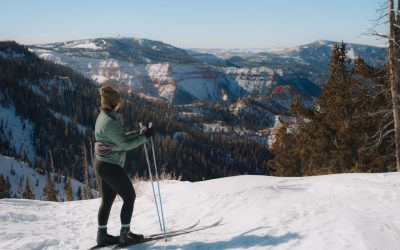
Believe it or not, one of the most unexpected landscapes was the towering Ruby Mountains outside of Lamoille, Nevada. The area features snowcapped mountains over 10,000 feet, sparkling alpine lakes, and groves of aspen. The Lamoille Canyon scenic byway is a stunningly beautiful drive past some of the area’s most dramatic peaks. Trailheads dot the route, and it’s definitely recommended to stretch your legs by exploring some of the miles of trails in the area.
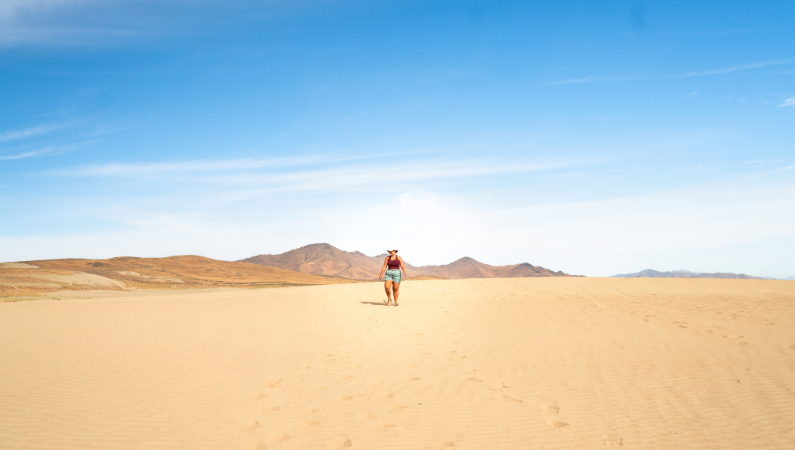 Photo by Colleen Goldhorn
See All of Cowboy Country
The best way to see everything that Cowboy Country has to offer is by planning an I-80 road trip from Reno to Salt Lake City (or vice versa). The route traverses the entire length of Cowboy Country, and offers plenty of opportunities for detours and scenic stops.
Truly, my jam packed trip just scratched the surface – Cowboy Country is home to over a dozen historic mining ghost towns, rich Indigenous history, historic buildings with ghosts roaming the halls, and even places you can mine for your own opals.
Want to extend your road trip even further? This area is overflowing with things to do, but two options are continuing west towards the Nevada section of Lake Tahoe outside Reno, or stopping at the Bonneville Salt Flats outside of Salt Lake City.
Cowboy Country, Nevada, is one of the most unique places in the West and a place that every outdoor lover should add to their bucket list.