
Travel Tips
Embrace the Chill: Essential Tips for Winter Hiking

1. Plan and Prepare
Winter hiking demands thorough preparation. Research your chosen park’s trails, weather conditions, and any trail closures. Shorter daylight hours mean an earlier start and a planned return before sunset. Pack essentials like extra layers, high-energy snacks, water, a first-aid kit, and navigation tools like a map and compass or GPS device.
Pro tip: Additionally, carrying an emergency blanket can make a significant difference in a dire situation. These lightweight, compact blankets can be purchased for under $10 and are designed to retain body heat and provide crucial insulation in emergencies. They’re a small but essential addition to your pack, offering potentially life-saving benefits if unexpected situations arise.

2. Dress for Success
Layering is key to staying warm and dry. Start with moisture-wicking base layers, add insulating mid-layers like fleece or down jackets, and top it off with a waterproof and wind-resistant outer shell. Don’t forget warm gloves, wool socks, a hat, and waterproof boots with good traction for icy or snowy terrain.
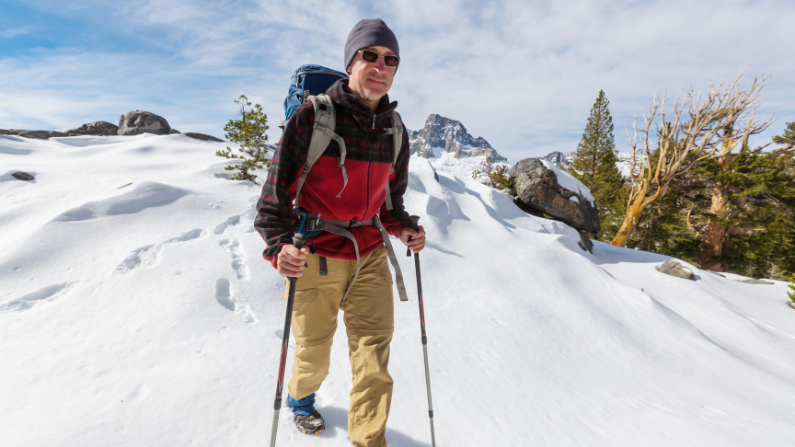
In addition, don’t overlook the importance of eye protection. The reflection of the sun on snow can be intense, causing painful eye irritation. To safeguard your eyes, bring along sunglasses with UV protection. Opt for a pair that covers your eyes fully and has a high level of UV ray filtration.
3. Safety First
Winter conditions can be unpredictable. Always inform someone about your hiking plans, stick to marked trails, and consider using traction devices like crampons or microspikes for icy trails. Carry essentials like a headlamp, a whistle, and a fully charged phone or portable charger for emergencies.
Additionally, when hiking in mountainous terrain during winter, understanding avalanche safety is paramount. Educate yourself about avalanche risks, signs of unstable snowpack, and terrain prone to avalanches. Familiarize yourself with assessing snow conditions, consider taking an avalanche safety course, and always check avalanche forecasts before your hike.
Prioritize safety, be cautious of avalanche-prone areas, and adapt your plans based on the conditions to ensure a secure and enjoyable winter hiking experience.

4. Hydration and Nutrition
Cold weather can mask dehydration, so stay vigilant about drinking water regularly. Opt for an insulated water bottle to prevent freezing. Pack high-energy snacks like nuts, dried fruits, and energy bars to keep your body fueled and warm throughout the hike.
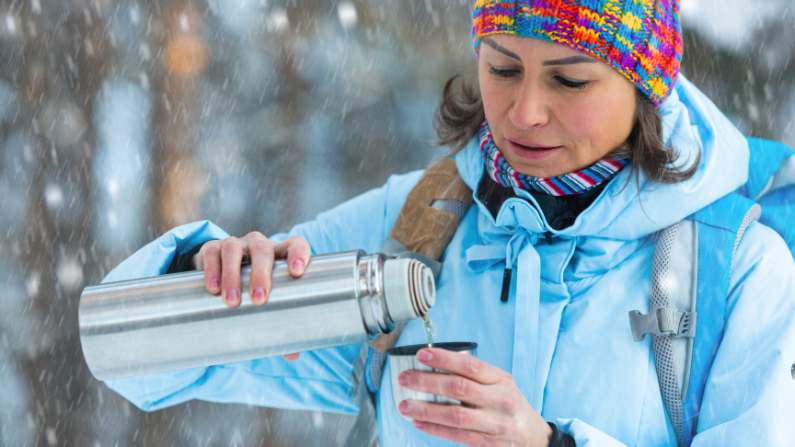
Pro tip: Bring a thermos with your choice of hot beverage to enjoy on your hike! Stopping in a beautiful spot to enjoy a warm drink and a snack can make your hike even more enjoyable and memorable.
5. Embrace the Season’s Beauty
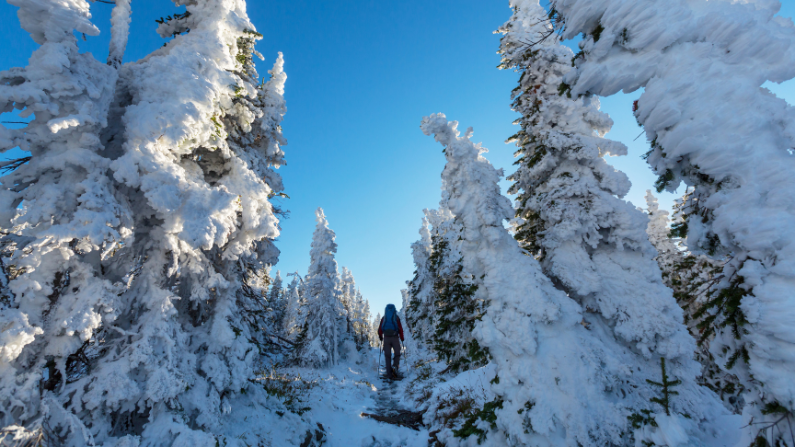
Winter offers a different perspective on landscapes you might have seen in other seasons. The quietude of snow-covered trails and the sparkle of sunlight on icy branches create a magical ambiance. Embrace the unique beauty of frosted waterfalls, frozen lakes, and snow-draped peaks.

6. Watch the Weather
Stay updated on weather forecasts before and during your hike. Be prepared for sudden changes and know when to turn back if conditions worsen. Wind chill, snowfall, and freezing temperatures can elevate the risks, so prioritize safety over reaching a specific destination.

7. Leave No Trace
Respect the environment by adhering to Leave No Trace principles. Pack out all trash, avoid disturbing wildlife, and stay on designated trails to minimize impact on fragile ecosystems, especially during the more vulnerable winter months.
8. Post-Hike Warm-Up
After a rewarding hike, change out of damp clothes and into warm, dry layers immediately. Treat yourself to a hot beverage and a hearty meal to replenish lost calories and warm up your body.

So, bundle up, lace your boots, and venture into a winter wonderland for an exploration that transcends seasons. Happy Trails!
