Travel Tips
Backpacking for Beginners
Leveling up from day-hiking to longer overnight or multi-day backpacking trips can be daunting. Although both activities involve hiking at their core, backpacking for beginners comes with a whole new host of logistics and gear to sort through. These added details can often be challenging to understand your first few times out, but with these helpful tips you’ll gain knowledge and confidence.
Start With Your Most Important Gear: Footwear
You could have the best hiking pack on the market, a lightweight sleeping bag, and a backpacking stove that boils water within seconds. But if you don’t wear the right footwear, your trip will likely be painful and uncomfortable.
Backpacking footwear is a highly personal decision, and I recommend trying on a few different options to pinpoint what will work best for your unique foot. Many backpackers opt for lightweight trail runners, while many others keep it old-school by choosing to hike in durable hiking boots. It pays to do your research and take the time to figure out what works best for you – it’s simply not worth the blisters to hop on a trail without breaking in and testing out your chosen backpacking footwear.
Rememeber That Less is More
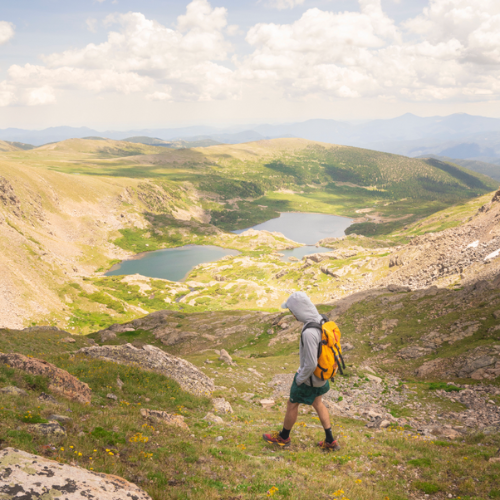
One key factor in finding the most enjoyment on a backpacking trip is striking the balance between always bringing the right gear to be prepared in emergencies but also watching the weight of your pack.
Use freeze dried camp meals or lightweight pasta instead of canned food. Instead of bringing a new pair of clothes for each day, consider wearing the same outfit a few days in a row.
Each ounce you cut from your pack may sound insignificant, but really helps in ensuring you stay comfortable and can travel further without being weighed down by a heavy pack. The rule-of-thumb is ensuring your loaded pack doesn’t weigh more than 20 percent your body weight. For example, someone who weighs 150 pounds should shoot for a pack no more than 30 pounds and a hiker who weighs 200 pounds should shoot for a pack that is no more than 40 poounds.

Research & Prepare for Your Water Sources
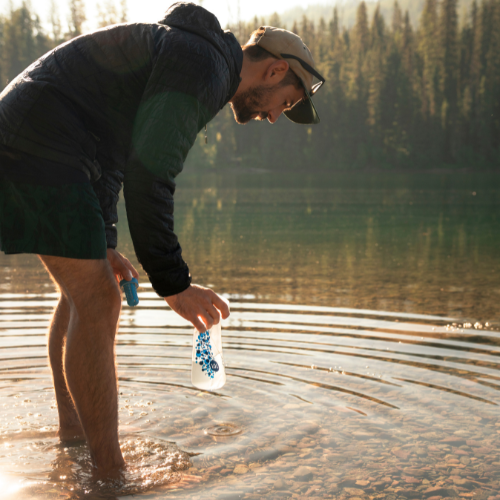
Access to fresh water is one of the most important things to consider when planning your route. When organizing your trip, look for marked water sources on a map and plan accordingly. In wet areas that receive a lot of rainfall or on trails that follow a river or stream, carrying two liters of water might be enough since you can stop frequently to refill as needed. In more arid areas, it might make sense to carry for liters or more as you will be able to refill less often. Water is heavy, and it can sometimes take a few trips to learn how to strike the balance between carrying enough water to stay safe and hydrated, while also not making your pack heavy by carrying too much.
When refilling, it’s wise to always treat your water either through chemical purification, manual filtration, or even sometimes a mix of both. Although mountain streams may look – and oftentimes are – extremely fresh, there is simply no way to know what may be adding harmful bacteria to the water upstream.
Understand the Importance of Food Storage
An important safety precaution is to always store your food with a bear and animal safe method – the two most common systems being bear bags and bear canisters. Bear bags are an easy and lightweight way to store your food: simply use a waterproof stuff sack, and hang 15 feet off the ground using nearby branches and a strong utility cord.
Bear canisters are much heavier in your back, but provide protection in areas without trees to hang a bear bag. They are also required in grizzly bear country, as well as areas where black bears have gained the knowledge of how to pull a bear bag down.
An important thing to note is that your bear bag or bear canister should house all “smellables” after you retreat to your tent for the night. This includes all food, cookware, chapstick, toothpaste, trash, and anything else that has a noticeable smell. Proper food storage ensures both your safety, and the safety of animals that live along your backpacking route.
Happy hiking!