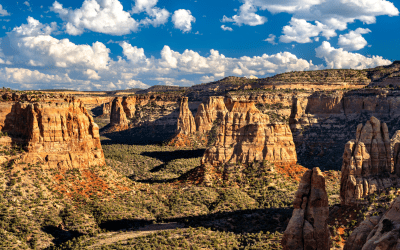
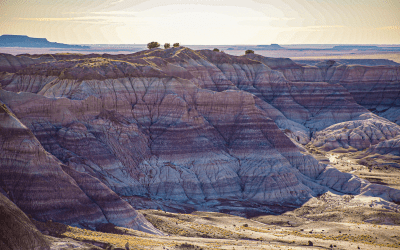
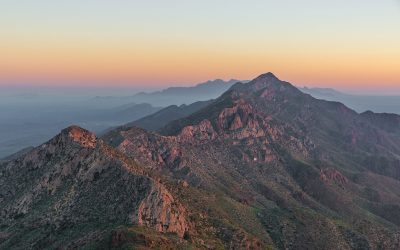
Welcome to the complete list of national parks in the United States, including both states and territories. This is sure to make planning your national park road trip or visit a breeze! Some national parks, like Yellowstone, are so enormous you could spend two weeks exploring and still not see the whole thing. Other national parks, like Joshua Tree, can be comfortably enjoyed in one day. Scroll alphabetically by state or simply start from the top to learn more about national parks in the United States.
NATIONAL PARKS IN THE U.S. BY STATE
ALASKA
Denali National Park & Preserve
Denali National Park and Preserve is home to Denali, formerly known as Mount McKinley, the highest peak in North America. The mountain was officially renamed in 2016 and restores the Indigenous name of “deenaalee” from the Koyukon language which means “the tall one.”
Gates of the Arctic National Park
Roughly the size of Switzerland, Gates of the Arctic National Park is America’s northernmost national park. There are no established roads, visitor centers or facilities, and due to the extremely remote location this is one of America’s least visited national parks.
Glacier Bay National Park
If you explore Alaska on a cruise, you might stop at Glacier Bay National Park. There are no marked trails or roads among the diverse landscape which is one of the world’s largest international protected areas.
Katmai National Park & Preserve
Katmai National Park and Preserve, named for the Mount Katmai stratovolcano, is known for being home to a sizable population of brown bears. The park preserves Novarupta and The Valley of Ten Thousand Smokes, areas shaped by volcanic activity.
Kenai Fjords National Park
Alaska’s smallest national park, Kenai Fjords National Park, is carved by glaciers flowing from the Harding Ice Field to the sea. This rugged arctic landscape has supported the Indigenous Sugpiaq people for generations, but unfortunately also provides a real-time look at the negative impacts of climate change.
Kobuk Valley National Park
Roughly half a million caribou roam the backcountry of Kobuk Valley National Park. Here, the rich traditions of the Onion Portage live on amongst the sand dunes and flower waters of the Kobuk River.
Lake Clark National Park
Lake Clark National Park is where visitors will find active volcanoes, thundering waterfalls, birch forests and sprawling tundra, not to mention an abundance of wildlife from foraging bears to running salmon.
ARIZONA
Grand Canyon National Park
The Grand Canyon is one of the most iconic symbols of America. So it’s no surprise Grand Canyon National Park, as the home to the largest canyons in the world, is one of America’s most visited national parks.
Petrified Forest National Park
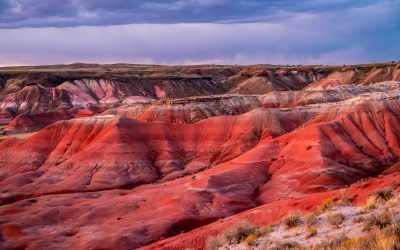
Petrified Forest National Park boasts a wide variety of late triassic fossils (incl. trees, ferns and giant reptiles), geological formations, forest with ancient ruins and historic buildings.
Saguaro National Park
Named for the giant Saguaro Cactus, Saguaro National Park is just a stone’s throw from the city of Tucson and features unique desert landscape and grassland.
ARKANSAS
Hot Springs National Park
Hot Springs National Park is America’s smallest national park by area, with a number of natural hot springs and mineral pools set amongst a lush wilderness.
CALIFORNIA
Channel Islands National Park
Only reachable by park concessioner boat/plane or private boats, Channel Islands National Park is one of America’s least-visited national parks. In the summer, enjoy whale watching and catch a glimpse of the largest gathering of blue whales in the world.
Death Valley National Park
Part of the Mojave Desert, Death Valley National Park is the hottest and driest national park in the world. Its landscape is surprisingly diverse with sand dunes, canyons, salt flats, mountains and valleys.
Joshua Tree National Park
Joshua Tree National Park gets its name from its name from joshua trees, a native plant of the Mojave Desert. The park is also teeming with life, palm oases, and wildflowers.
Kings Canyon National Park
Explore Giant Sequoia Grovers, the High Sierra Peaks, and old growth coniferous forests in Kings Canyon National Park.
Lassen Volcanic National Park
Home to the world’s largest plug dome volcano, Lassen Volcanic National Park has all four types of volcanoes in one park: plug dome, shield, cinder, and stratovolcanoes.
Pinnacles National Park
Located in Central California, Pinnacles National Park is full of rock spires and pinnacles formed by multiple volcanoes that erupted 23 million years ago.
Redwood National Park
Redwood National Park features the tallest trees on Earth, immense gorges, and wild coastal deltas where colonies of sea lions frolic.
Sequoia National Park
Sequoia National Park is known for its enormous redwood trees and is home to five of the ten largest trees in the world.
Yosemite National Park
In Yosemite National Park, one America’s most popular national parks, you’ll find waterfalls, giant sequoias, valleys and sheer cliffs.
COLORADO
Black Canyon of the Gunnison National Park
Black Canyon of the Gunnison National Park is named for the darkness of Black Canyon, which is unlike any other canyon in North America due to narrowness, depth, and sheer walls.
Great Sand Dunes National Park & Preserve
The tallest sand dunes in North America tower over Great Sand Dunes National Park and Preserve. After rain, the park takes on a beach-like atmosphere along the swolleen Medano Creek and visitors can slide down the dunes on sleds, sandboards, or snowboards.
Mesa Verde National Park
Mesa Verde National Park is renowned for its ancestral Puebloan cliff dwellings and features more than 4,000 archeological sites.
Rocky Mountain National Park
At the continental divide, you’ll find Rocky Mountain National Park. The incredible mountains are a haven for off-piste skiers in winter, and it’s easily accessible from the city of Denver.
FLORIDA
Biscayne National Park
Compromising over 95% water, Biscayne National Park is home to the third-longest living coral reef in the world, and is a playground for above and underwater adventures.
Dry Tortugas National Park
Many people are unaware of Dry Tortugas National Park, as it’s closer to Cuba than to the U.S. mainland. Featuring a historic fort and accessible only via seaplane or boat, getting to this national park is nearly as adventurous as visiting it.
Everglades National Park
Everglades National Park is the only subtropical wilderness in the country with an expansive network of rivers and wetlands providing a habitat for various amphibious creatures from bullfrogs to alligators.
HAWAII
Hawai’i Volcanoes National Park
Hawaii Volcanoes National Park features two volcanoes which are among the world’s most active but produce predominantly non-violent eruptions. Here, visitors can safely and responsibly observe the volcanic activity that formed the Hawaiian islands millions of years ago.
Haleakalā National Park
In Haleakalā National Park, visitors will find cinder cones, a dormant volcano, and a lush tropical paradise cherished and regarded in Native Hawaiian culture.
INDIANA
Indiana Dunes National Park
Sand dunes that stretch along 15 miles of Lake Michigan, plus 15,000 acres of forests, trails, wetlands, prairies, and rivers are what you can expect in Indiana Dunes National Park.
KENTUCKY
Mammoth Cave National Park
The longest known caving system in the world is in Mammoth Cave National Park. Splunking, cave tours, and below-ground adventures are the highlight of this national park.
MAINE
Acadia National Park
America’s first sunrise happens in Acadia National Park each day as the easternmost point of the United States.
MICHIGAN
Isle Royale National Park
Isle Royale National Park, a remote cluster of islands located on Lake Superior, features numerous historic shipwrecks and is a perfect refuge for rugged isolation.
MINNESOTA
Voyageurs National Park
Voyageurs National Park is a collage of hardwood tree forests and waterways. In the winter, ice fishing, ice skating and other outdoor winter activities abound.
MISSOURI
Gateway Arch National Park
Gateway Arch National Park is commemorated by a 630-foot stainless steel arch built beside the Mississippi River signifying the role of the city in the Westward Expansion of the United States during the 19th century. It’s one of America’s most unique and urban national parks.
MONTANA
Glacier National Park
The incredibly scenic Glacier National Park provides visitors with over 740 miles of trails and is fondly known as “the Crown of the Continent.”
NEVADA
Great Basin National Park
Marvel at marble caves and wander among sage bush brush in Great Basin National Park. With minimal light pollution, the stargazing is unparalleled in this International Dark-Sky Park.
NEW MEXICO
Carlsbad Caverns National Park
With an impressive network of over 110 limestone caves, including the seventh-longest in the world, and immense bat populations, Carlsbad Caverns National Park is a true gem of the Chihuahuan Desert.
White Sands National Park
White Sands National Park is home to the world’s largest gypsum dune field, with over 275 square miles of bright white sand dunes.
NORTH CAROLINA
Great Smoky Mountains National Park
As America’s most visited national park, Great Smoky Mountains National Park offers visitors a selection of modern campsites with amenities. It’s one of the rainiest habitats in the United States and is known for its prevalence of fog, creating the “smoky” affect.
NORTH DAKOTA
Theodore Roosevelt National Park
Located on the site of a ranch owned by the 26th president of the United States, Theodore Roosevelt National Park provides a glimpse into the life of the American president as well as the landscape that influenced him so greatly.
OHIO
Cuyahoga Valley National Park
One of America’s newest and smallest national parks, Cuyahoga Valley National Park features waterfalls and caves along the crooked Cuyahoga River.
OREGON
Crater Lake National Park
Crater Lake National Park is where you’ll find the deepest lake in the United States. With exceptional purity and clarity, its formation was witnessed by Native Americans over 7,000 years ago when a peak collapsed during a dramatic eruption.
SOUTH CAROLINA
Congaree National Park
Congaree National Park is the largest tract of old-growth bottomland hardwood forest in North America. Creeks and rivers sweep through floodplains, creating a seasonally changing experience for visitors to this Southeastern national park.
SOUTH DAKOTA
Badlands National Park
Colorful buttes, pinnacles, and spires make up Badlands National Park. Fossils of saber tooth cats, rhinoceroses and other bygone creatures have also been discovered in the area.
Wind Cave National Park
With a Complex underground labyrinth of corridors, Wind Cave National Park is the third-longest cave in the U.S. and fifth-longest in the world.
TENNESSEE
Great Smoky Mountains National Park
As America’s most visited national park, Great Smoky Mountains National Park offers visitors a selection of modern campsites with amenities. It’s one of the rainiest habitats in the United States and is known for its prevalence of fog, creating the “smoky” affect.
TEXAS
Big Bend National Park
Big Bend National Park is the national park made for scenic drives and features more than 200 miles of hiking trails. Visit four national parks in four days, including Big Bend, with this epic road trip itinerary through Texas and New Mexico.
Guadalupe Mountains National Park
Guadalupe Mountains National Park is a seemingly vast emptiness that is anything but empty with ancient marine fossils and four highest peaks in Texas.
UTAH
Arches National Park
Red rock landscapes, more than 2,000 sandstone arches, natural bridges, towers, rock fins and other impressive formations await in Arches National Park.
Bryce Canyon National Park
Bryce Canyon National Park is home to a labyrinth of hoodoos and sits more than 7,800 feet above sea level.
Canyonlands National Park
Red, orange, and yellow canyons paint a colorful background for mesas and buttes in Canyonlands National Park.
Capitol Reef National Park
A geologic monocline (“wrinkle on the earth”) is what sets Capitol Reef National Park apart, not to mention the crevices, canyons, domes and natural bridges.
Zion National Park
Zion National Park is known for its temperamental slot canyons, but the park is also home to towering sandstone monoliths, swooping rock arches and other painted canyon walls.
VIRGINIA
Shenandoah National Park
Drive the ultra-scenic Skyline Drive in Shenandoah National Park, located in the Appalachian Mountain range. Plus, this national park is a just short day trip from Washington, D.C.
WASHINGTON
Mount Rainier National Park
Mount Rainier is the active, icy volcano that towers above a diverse landscape of rivers, wildflower meadows and forest. In Mount Rainier National Park, visitors can admire the picturesque landscape with the Mount Rainier stratovolcano as a focal point.
North Cascades National Park
Experience a mix of glaciers and mountains, lakes, rivers and waterfalls, temperate rainforests, marshes and swamps in North Cascades National Park. In the fall, enjoy spectacular colors and alpine views on the popular Maple Pass Loop Trail.
Olympic National Park
In Olympic National Park, habitats range from coastline to dense forests to alpine grassland and glaciers.
WEST VIRGINIA
New River Gorge National Park
As one of America’s newest national parks, New River Gorge National Park is long overdue for the recognition it deserves featuring the New River, one of the oldest rivers on the continent. Embark on a whitewater rafting trip or clip in a cross the New River Bridge if you think you’re brave enough!
WYOMING
Grand Teton National Park
Grand Teton National Park is where majestic natural beauty and tourist-friendly convenience collide. This popular park is a haven for outdoor adventure in all seasons.
Yellowstone National Park
Last but not least is the grandaddy of all national parks: Yellowstone National Park. The world’s first national park is home to more than half of the world’s geysers and welcomed over 3 million visitors in 2022.
NATIONAL PARKS IN U.S. TERRITORIES
AMERICAN SAMOA
National Park of American Samoa
South pacific paradise, three volcanic islands, only U.S. national park south of the equator; tropical rainforests, beaches, coral reefs, cliffs.
US VIRGIN ISLANDS
Virgin Islands National Park
Warm waters, white sandy beaches, wonderful coral, subtropical climate.