
Travel Tips
Astrophotography: Guide to the Stars

Astrophotography is a venture into darkness that delights amateur hobbyists and expert stargazers alike. These astrophotography tips and gear recommendations will assist you on your celestial quest, but first you need to know how to find the best stargazing spots!
What is astrophotography?
Although it can get pretty complicated, astrophotography is quite simply the art of capturing the night sky in great detail. Astrophotography images usually consist of and center around the Milky Way and its core, which houses the densest collection of stars in the night sky. This is not to be confused with lunar, or moon, photography.
Best Conditions for Astrophotography
Go away, Moon!
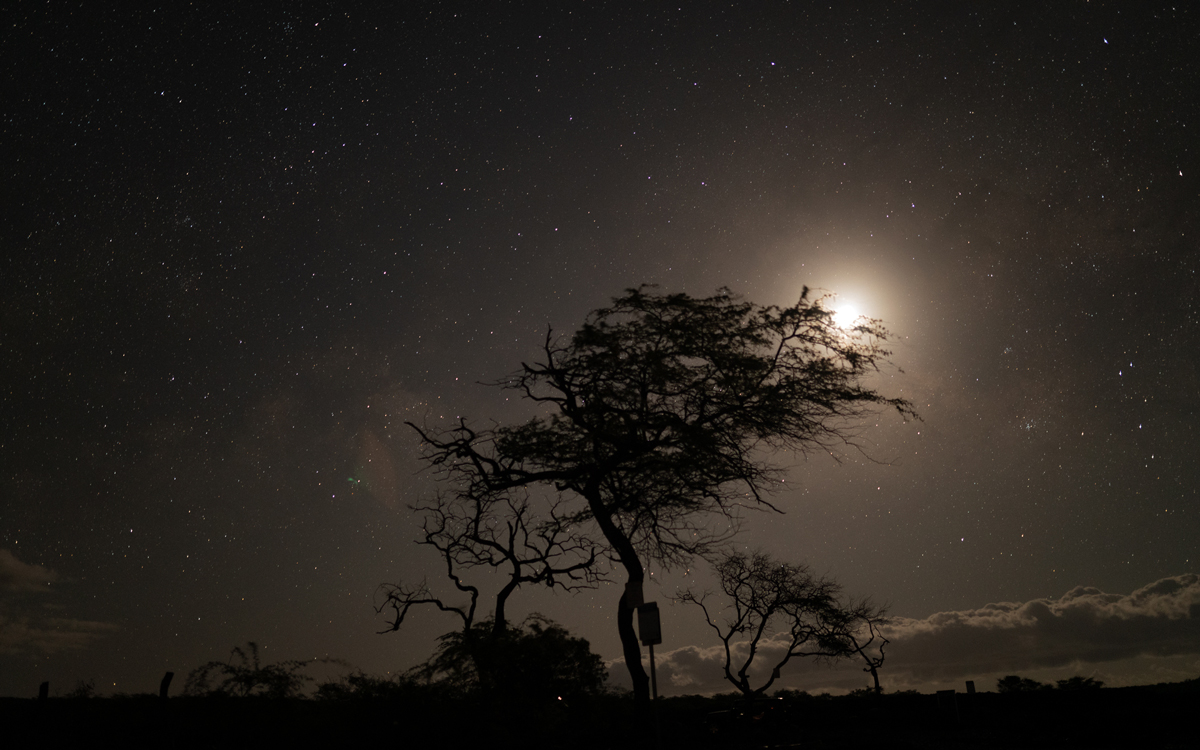
While both types of imagery are captured after dark, a barely visible or “new moon” is critical for photographing the stars. The radiance of the moon diminishes the appearance of stars, and in some phases rises alongside the Milky Way, obstructing its core: the most sought-after section of the night sky. There are several ways to determine the phase of the moon, as well as the trajectory of the Milky Way. A favorite all-in-one app is Photopills, which keeps you up-to-date on everything from the time the sun sets, to the minute the Milky Way peeks over the horizon!

Weather
It’s difficult to say if light pollution, moon phases, or camera gear are the most important aspect of astrophotography, but weather conditions are imperative! A clear sky is of utmost necessity, and it can be tricky monitoring the ever-changing forecast of a place you’re unfamiliar with weeks in advance. Seasons, percipitation, and air temperature all factor into visibility. However, if you can manage clear skies, be prepared for a sea of stars!
Light Pollution
As we literally chase darkness in search of crisp, clear images lit only by starlight, light pollution plays a critical role in how we view the night sky. In metropolitan areas, light pollution is inescapable. Even outside smaller cities, towns, and suburbs, it’s hard to escape the lingering effects of street lights, advertising billboards, and highways that make stargazing a difficult task. Light pollution maps are helpful tools to plan your trip and get as far away from light as possible.
Location, Location, Location
Some of the best places for stargazing are incidentally some of the most beautiful places in the country, day or night!
Hurricane Cliffs, located just twenty minutes west of Zion National Park, is a step away from the bustle with moderate dark skies hovering over an expansive campground. For even darker skies, the Zion Scenic Byway pullout has dispersed camping, and it’s very close to the park entrance.
Another great stargazing site is Jouflas Campground, located on the Colorado–Utah border. This open, mostly flat landscape is great for devouring the Milky Way as it peeks over the horizon! Just 90 minutes away are both Arches and Canyonlands National Parks, great for getting some cool rock formations in the foreground of your photos!
In addition, be sure to explore our list of Dark Sky locations along the East Coast.
Astrophotography Tips
Here we pivot from things out of our control to the necessary (and controllable) gear used to capture the stars.
Beginner Astrophotography Gear & Tips
1. Get a headlamp with a red light (look for lights with the same functionalities as a bike light) which is essential in staying true to low light pollution. Flashlights and phone lights won’t really work here as they brightly refract light into the night sky.
2. Dim the screen on your phone as much as possible to help keep your eyes adjusted to the darkness! It’s also a courtesy to other stargazers around you.